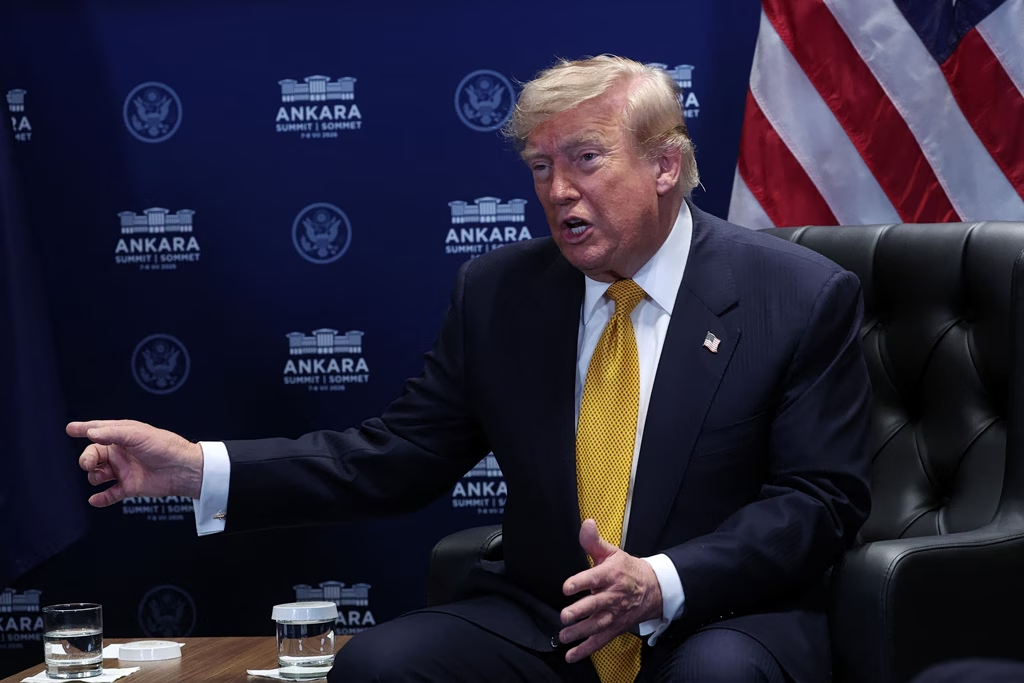

The United States is going to get “very aggressive” in Venezuela’s oil sector after the operation to capture the country’s leader, Nicolás Maduro, President Donald Trump said on Fox News on Saturday, January 3, 2025.
As he noted, “We have the biggest oil companies in the world, the strongest, the best, and we’re going to get very aggressive in that.” With this move, the US president opens up the country’s vast reserves to American companies that will significantly control the global supply of “black gold.”
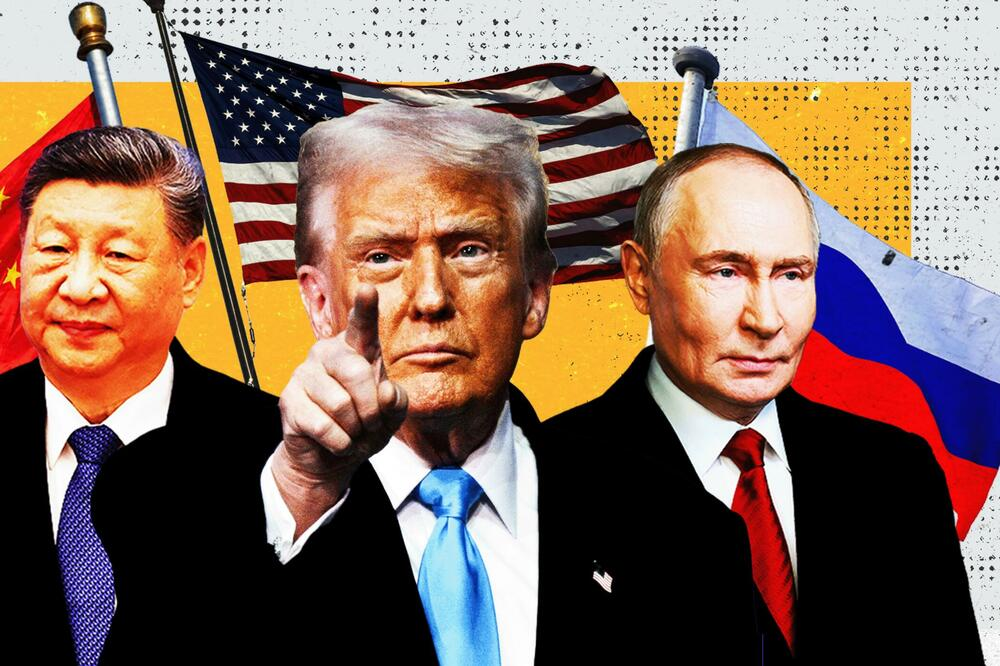
On the other hand, he is taking symbolic revenge for the seizure of American assets by the Bolivarian republic while sending a signal to China and Russia that he wants to have a dominant position in the energy sector. In a press conference later, referring to Venezuela’s vast oil reserves, he said: “We are going to send our very large American oil companies — the largest in the world — to invest billions of dollars, to repair the severely damaged infrastructure, the oil infrastructure, and to start generating revenue for the country.”
Export Strangulation
The United States has recently escalated pressure on the Venezuelan government with a series of measures aimed at strangling the country’s vital oil exports, including blocking tankers carrying oil that are under sanctions from entering and leaving the country.
President Donald Trump and top administration officials say their primary goals are to cut off the flow of illegal drugs from the country and to achieve regime change.
For decades, American companies dominated Venezuela’s oil production, before most saw their operations expropriated in the early 2000s. Trump and White House Deputy Chief of Staff Stephen Miller have said that history is a motivation for the United States’ increasing aggression.
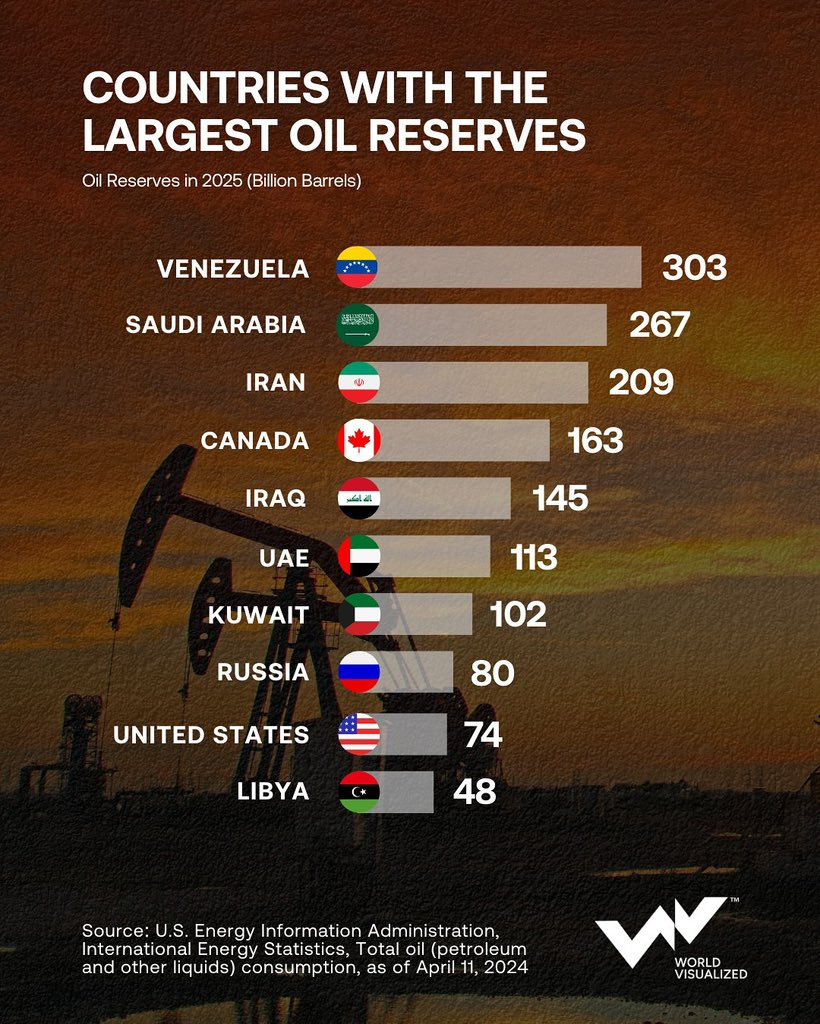
Venezuelan officials say the Americans’ intentions are clear: to seize the country’s oil reserves, the largest in the world.

The Incidents – Sanctions and Ship Seizures
What actions has the US taken to restrict Venezuelan oil exports? US forces intercepted and seized an oil tanker off the coast of Venezuela on December 10. The ship was reportedly flying the flag of Guyana, but the country’s Maritime Authority denied any connection. The tanker had been sanctioned by the United States in 2022 for supporting Iranian oil exports.
The White House said the United States intends to keep the oil on the seized ship. Washington also imposed new sanctions on six ships carrying Venezuelan oil, forcing tankers to turn back away from the Latin American country. In total, the United States has imposed sanctions on more than 100 tankers.
Trump later announced the blockade of the sanctioned tankers. Oil exports are Venezuela’s main source of revenue. In addition to measures to restrict oil exports, the United States has deployed warships, aircraft, and troops near Venezuela and has carried out airstrikes against small boats in the area that U.S. officials say belong to drug cartels.
Trump has hinted that the Pentagon may also launch ground strikes.
What is the impact of recent developments?
Venezuela has exported an average of about 630,000 barrels of crude oil per day this year. The blockade is likely to directly affect about 500,000 barrels per day. The high risk of seizure means that tanker operators are unlikely to risk losing a ship. The country’s crude production could soon be disrupted by a lack of imported naphtha.
Naphtha is a term used in the oil industry for light, flammable hydrocarbons that are liquid at room temperature and can be used in a variety of ways. A tanker carrying naphtha to Venezuela turned back after a tanker carrying crude was seized.
Is it possible that the United States will seize oil assets?
The Venezuelan government has said that “these are national natural resources.” The Trump administration has not explicitly said that the United States will seize oil assets, although Trump has said that the blockade will continue until “all that was stolen is returned.” In a post, Stephen Miller called the expropriations “the greatest theft of American wealth.”

What is the current state of Venezuela’s oil industry?
Production has fallen by more than 70% since the late 1990s. Venezuela is now 21st in the world and is expected to be overtaken by Guyana and Argentina. Despite the problems, oil remains the country’s main source of revenue. Foreign companies are active. Chevron Corp remains the only American company. Repsol (Spain), Eni SpA (Italy) and Maurel et Prom SA (France) are also present. Sanctions have discouraged Russia and China. Rosneft has transferred its assets, while CNPC maintains a limited presence.
Who are the biggest buyers?
China is the biggest buyer, through independent refineries in Shandong province. In addition, special refineries in the United States are processing heavy grades of Venezuelan oil.
Will oil prices rise?
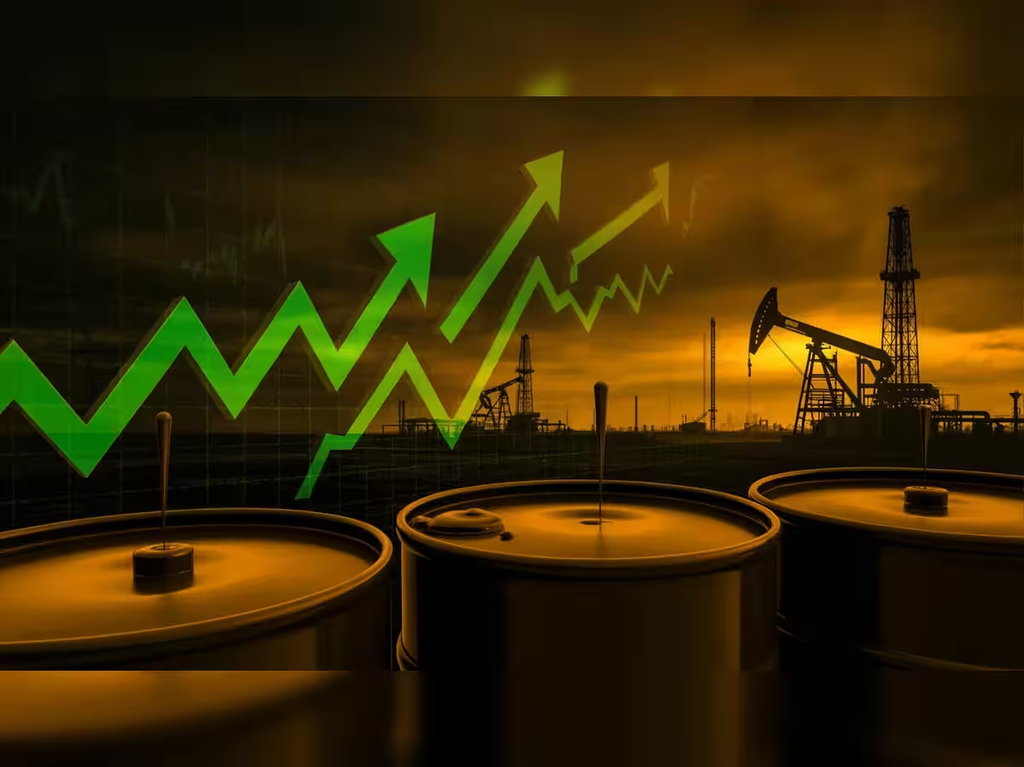
Oil prices are expected to be limited by the United States’ invasion of Venezuela and the arrest of President Nicolás Maduro. Despite military action and a tanker blockade, the global oil market is expected to remain in surplus, which reduces immediate pressure on prices.
The drop in production of around 25% due to sanctions and the blockade has only had a limited impact on prices, as large crude inventories absorb the shock. At the same time, unplanned production outages in Venezuela, Russia and Kazakhstan increase future uncertainty, but the overall impact on prices remains modest.
The country’s heavy crude grades are not easily replaceable, which could put pressure on refined product prices in the medium term, but not to a level that would dramatically change the global market. Venezuela’s contribution to the global energy balance is small, with a potential loss of 0.7–1 million barrels per day out of the 100 million barrels of global production, limiting the immediate impact on prices.
However, the market is closely monitoring geopolitical developments, as further escalation could cause greater volatility and minor upward pressure. Overall, oil prices remain stable to slightly higher, with geopolitical risk acting mainly as a limited concern given the global oversupply and the limited importance of Venezuelan production in global trade.