



Elon Musk’s Tesla is preparing to enter the UK energy market in the coming months, with plans to set up a household electricity supplier.
The company has applied to Ofgem for a licence that would allow it to compete with the likes of Octopus and British Gas by offering electricity to households.
This means Tesla could start supplying electricity as early as next year, in a major expansion of its energy ambitions in Britain.
The supplier will be called Tesla Electric and is likely to be closely linked to Musk’s electric cars and Powerwall home batteries, offering savings to households.
The Texas operation
The company already operates as an electricity supplier in Texas, allowing Tesla owners to charge their cars cheaply and get paid when they sell excess power from solar panels or electricity stored in their batteries to the grid.
The company’s energy subsidiary, Tesla Energy Ventures, applied for an electricity supply license with Ofgem on July 25.
The application was signed by Andrew Payne, a Tesla veteran who runs the company’s energy operations in Europe. The Telegraph revealed in 2023 that Tesla was preparing to launch an energy supplier for households.
The advantages
Tesla already has some of the key elements that give it an advantage over the established energy companies.
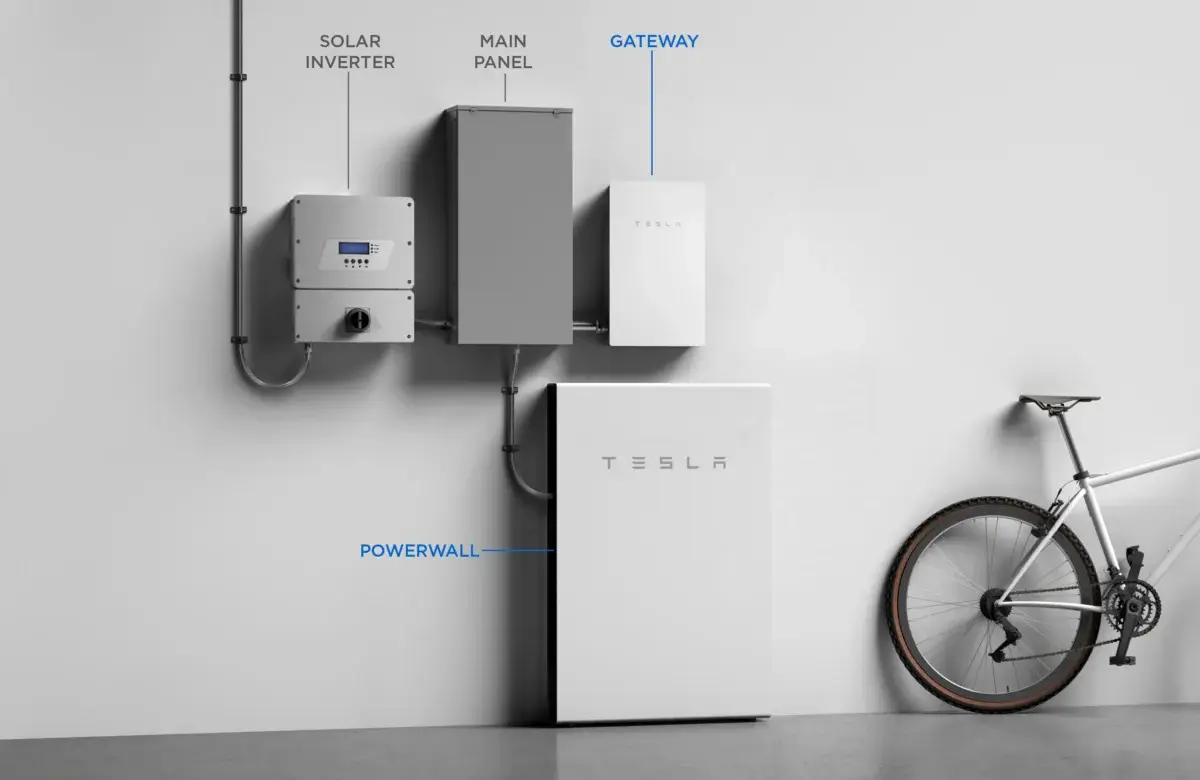
It has sold tens of thousands of Powerwalls – home batteries that charge with solar power or during off-peak hours – to British households.
It also sells chargers for electric cars and has millions of cars on the road, offering a significant potential customer base.
Tesla has sold over 250,000 cars in the UK. This puts it in a good position to exploit “vehicle to home” technology, where the car’s battery powers the home. Energy companies are already conducting trials of this technology.
Wholesale energy market
In addition, Tesla is a major player in the wholesale energy market, with large battery installations and the Autobidder software used to buy and sell electricity stored in batteries.
It has had a manufacturing license from Ofgem since 2020. Despite some advantages, Tesla’s sales in the UK have fallen significantly in recent months, due to increasing competition in the electric car market and backlash over Musk’s statements, such as his support for Donald Trump and far-right Tommy Robinson.
The figures show a 60% drop in sales in July. Tesla launched its electricity supply in Texas three years ago, with a flat rate for unlimited charging of Teslas at certain times.
Powerwall customers connect their batteries to the grid and get paid when the company uses the stored energy to power other homes, creating a “virtual power plant”.
While it’s unclear what Tesla’s proposal will look like in the UK, job postings suggest the company will implement the same concept of a virtual unit, where a network of home batteries balances out erratic energy sources like wind and solar, storing energy when it’s plentiful and feeding it back into the grid during peak times.
Tesla launched an energy program with Octopus Energy in 2020, but ended the partnership three years later.
It has since partnered with Octopus to allow Powerwall owners to use the company’s software to sell energy during peak times.
The process of obtaining a power supply license from Ofgem can take up to nine months, although some licenses are granted in a matter of weeks.
Stricter requirements were introduced following the 2021 energy crisis, as several suppliers collapsed.
Tesla has not applied for a gas supply licence, meaning households that use both electricity and gas – the majority in the UK – will have to choose a different supplier for gas.
