
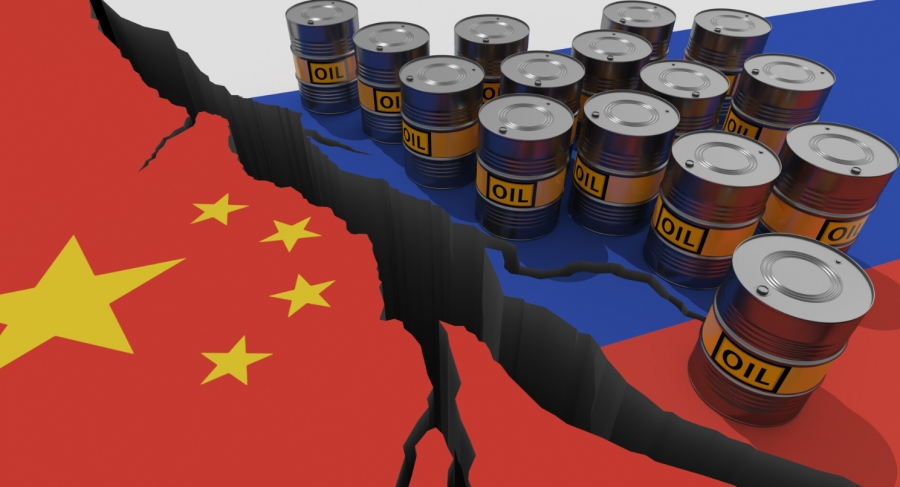
The United States has strongly urged China to halt its oil and gas purchases from Russia, threatening secondary sanctions, including 100% tariffs.
The stern warning followed U.S. trade deals with the European Union and Japan that set tariffs at just 15%.
In meetings in Stockholm, Sweden, earlier this week, U.S. Treasury Secretary Scott Bessent expressed Washington’s frustration with China’s continued purchases of Russian and Iranian oil despite sanctions.
Bessent also complained about more than $15 billion worth of Chinese dual-use goods to Russia, which have reportedly boosted Moscow’s wartime capabilities in Ukraine.
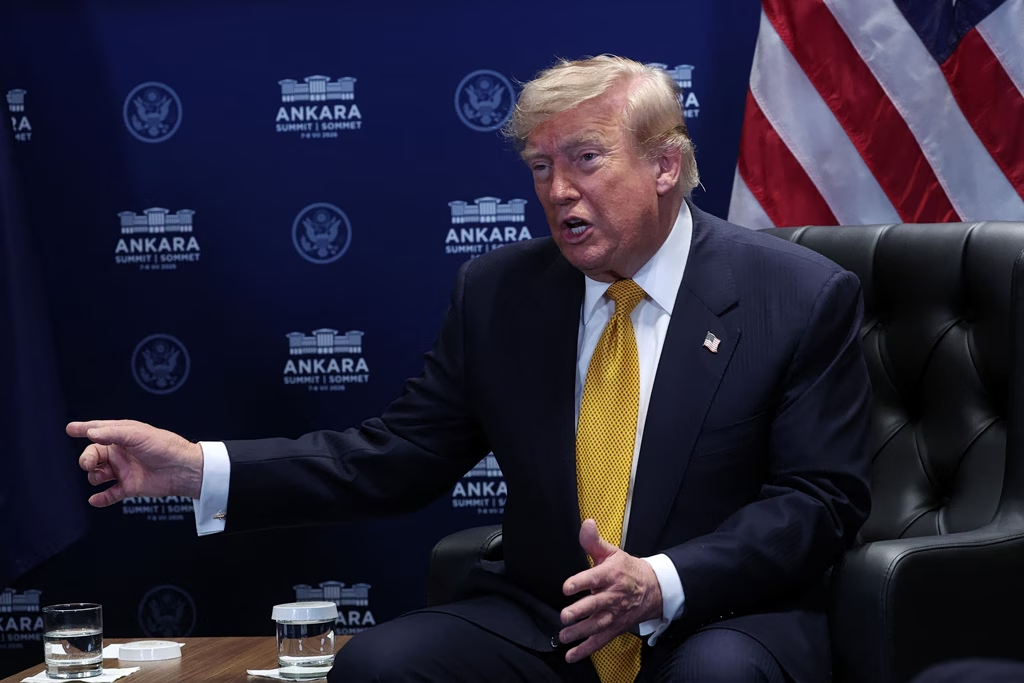
On July 30, Bessent said that Chinese officials responded by saying that China is a sovereign state with its own energy needs and that oil markets will be based on the country’s domestic politics. “The Chinese take their sovereignty very seriously. We don’t want to violate it, so it seems they prefer to pay a 100% tariff,” Bessent commented wryly.
He added that there was no agreement with China to extend the 90-day tariff truce, which expires on August 12. US President Donald Trump will decide whether to extend it again or impose tough tariffs.
Trump’s Strategy for the War in Ukraine
During his campaign, Trump promised to end the war in Ukraine within 24 hours of taking office. Since January 20, he has been trying to bring Volodymyr Zelensky and Vladimir Putin to the negotiating table.
On March 14, Trump admitted that he was “a little bit ironic” when he claimed that he would end the war in a day.
By July, he found that Putin had no intention of meaningful negotiations.
On July 14, Trump gave Russia a 50-day ultimatum to end the war, or the US would send billions in weapons to Ukraine and impose 100% tariffs on Russian goods, as well as goods from countries that buy Russian oil.
On July 22, Bessent announced that he would discuss Russian and Iranian oil purchases with Chinese officials. On Monday (July 28), Trump said the new ultimatum for Putin to end the war is 10–12 days, just days before the truce in the US–China tariff war expires.
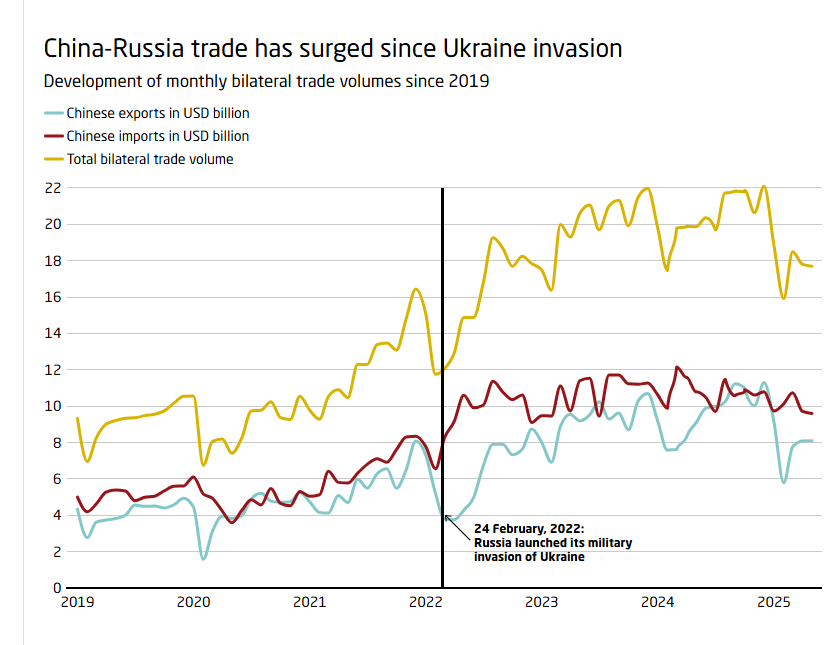
Beijing’s response – We will defend our sovereignty and interests
Clarifying the geopolitical stance of the second-largest economy, Chinese Foreign Ministry spokesman Guo Jiakun said on Wednesday, July 30: “China will take measures that serve our national interests in the energy sector. Trade wars have no winners. Coercion and pressure do not solve problems. China will resolutely defend its sovereignty, security and interests.”
The China-Russia-Iran alliance will not break
Chinese commentators have argued that the China-Russia-Iran alliance will not break due to pressure from the United States.
The United States is playing this “card” because of domestic political and economic pressures. Xin Qiang, a professor at Fudan University, said China will not allow the US to use non-tariff issues as leverage in trade negotiations.
US sanctions are a paper tiger
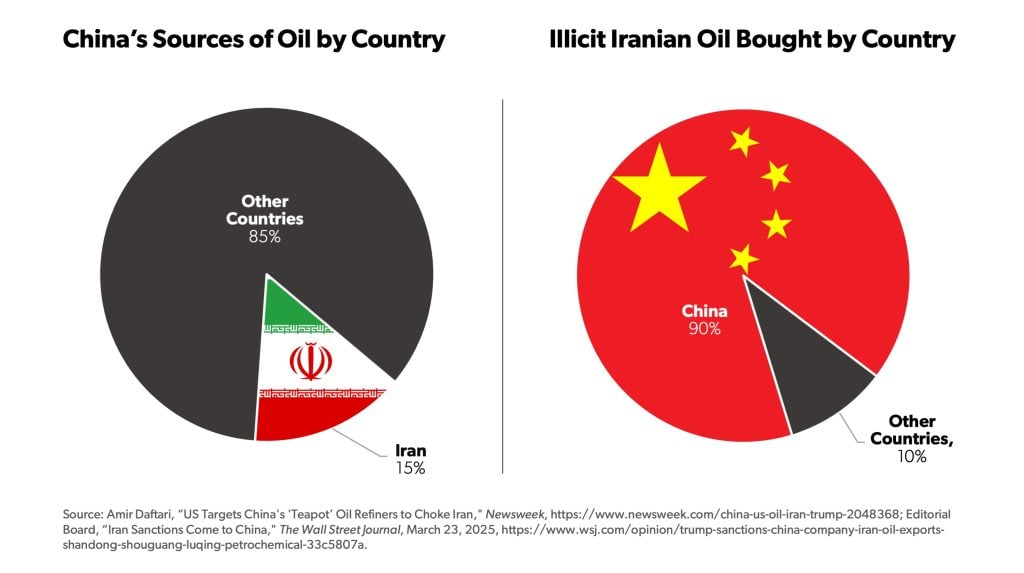
Transactions for the purchase of Russian and Iranian oil are made in yuan, making US sanctions a “paper tiger”.
According to customs data, Russia has been China’s top oil supplier for 20 consecutive months, with 2.16 million barrels per day – 600,000 more than Saudi Arabia. Iran even reaches 1.8 million barrels per day.
“The US wants to use secondary sanctions to force China to switch to the shale oil it exports. But China has not bought such oil for three months. The US looks tough, but in reality it is showing panic about reducing its exports.”
Strategies and Geopolitical Hypocrisy of the West
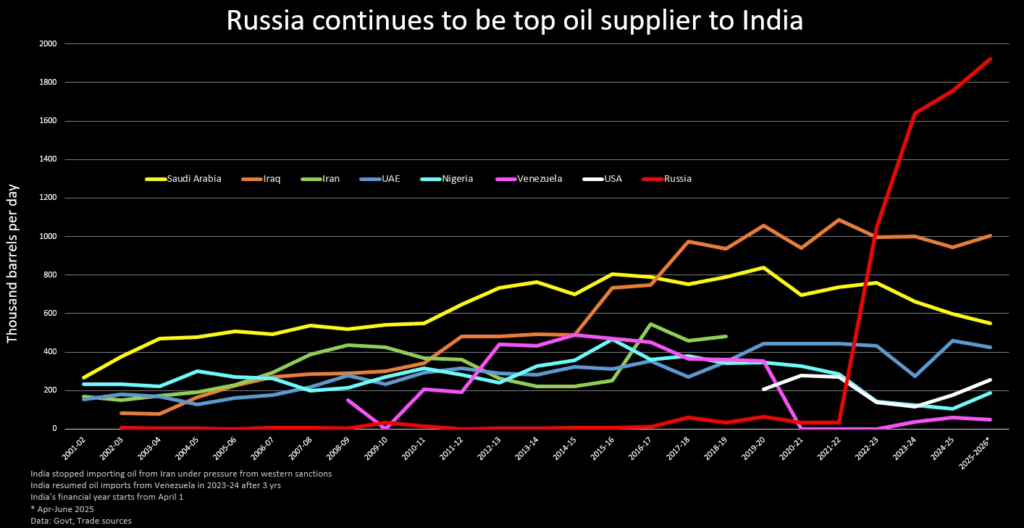
Lindsey Graham, known for his neoconservative positions, recently declared that he would “crush” the economies of China, Brazil and India for importing Russian oil.
“If you continue to buy cheap Russian oil, financing this war, we will destroy your economy,” he said. “This is blood money.” Neoconservatives see the trade war as a tool for enforcing foreign policy.
Trump and Graham are presented as advocates of the tariff strategy for security reasons. Even German Chancellor Friedrich Metz, who until recently called for energy independence from the US and diversification of sources, announced that Germany would buy American weapons for Ukraine.
India and China are trying to remain neutral and strengthen their own economies as the West destabilizes its energy sector. “Everyone was buying Russian oil before 2022. To impose sanctions only when India does is pure hypocrisy,” he concludes.
Bessent: Chinese surprised by US trade deals with Japan and EU
“I think the Chinese were surprised by the size of the deal with Japan, as well as the size and terms of the European deal,” Scott Bessent said on Wednesday (30/7). “I think they are open to a broader discussion. The discussion has been focused on the two economies.”
He noted that the US side has expressed concern about China’s global overcapacity and its impact on other countries in the coming years.
He added that he would not be surprised if Europe, Canada and Australia follow the US example and impose anti-dumping duties (protective measures) on Chinese products.
Pressure on Beijing after US trade deals
The fact that the Trump administration had already reached trade agreements with the EU, Japan and some ASEAN countries before the talks with China has put additional pressure on Beijing. Under these agreements, the EU and Japan will open their markets to US companies, while their tariffs will hurt the competitiveness of Chinese companies. In addition, they have pledged to increase their investment in the US, which may lead to a decrease in investment in China.
However, China still has a “card” — rare earth metals, which make it impossible for the US to completely ignore Beijing’s demands.
Wang Wentao: Opportunities for US businesses in China
The Yuyuan Tantian account, affiliated with state-run China Central Television, reported on Wednesday, July 30, that Chinese Commerce Minister Wang Wentao met with representatives of about 10 US companies in Beijing.
During the meeting, he discussed opportunities for US companies in the Chinese market. Other Chinese commentators believe that the US will not escalate the trade war with China further in the near future, as Trump does not want to jeopardize his planned visit to China on September 3, when the country will celebrate the 80th anniversary of the victory in the War of Resistance Against Japanese Aggression and the World War II.


