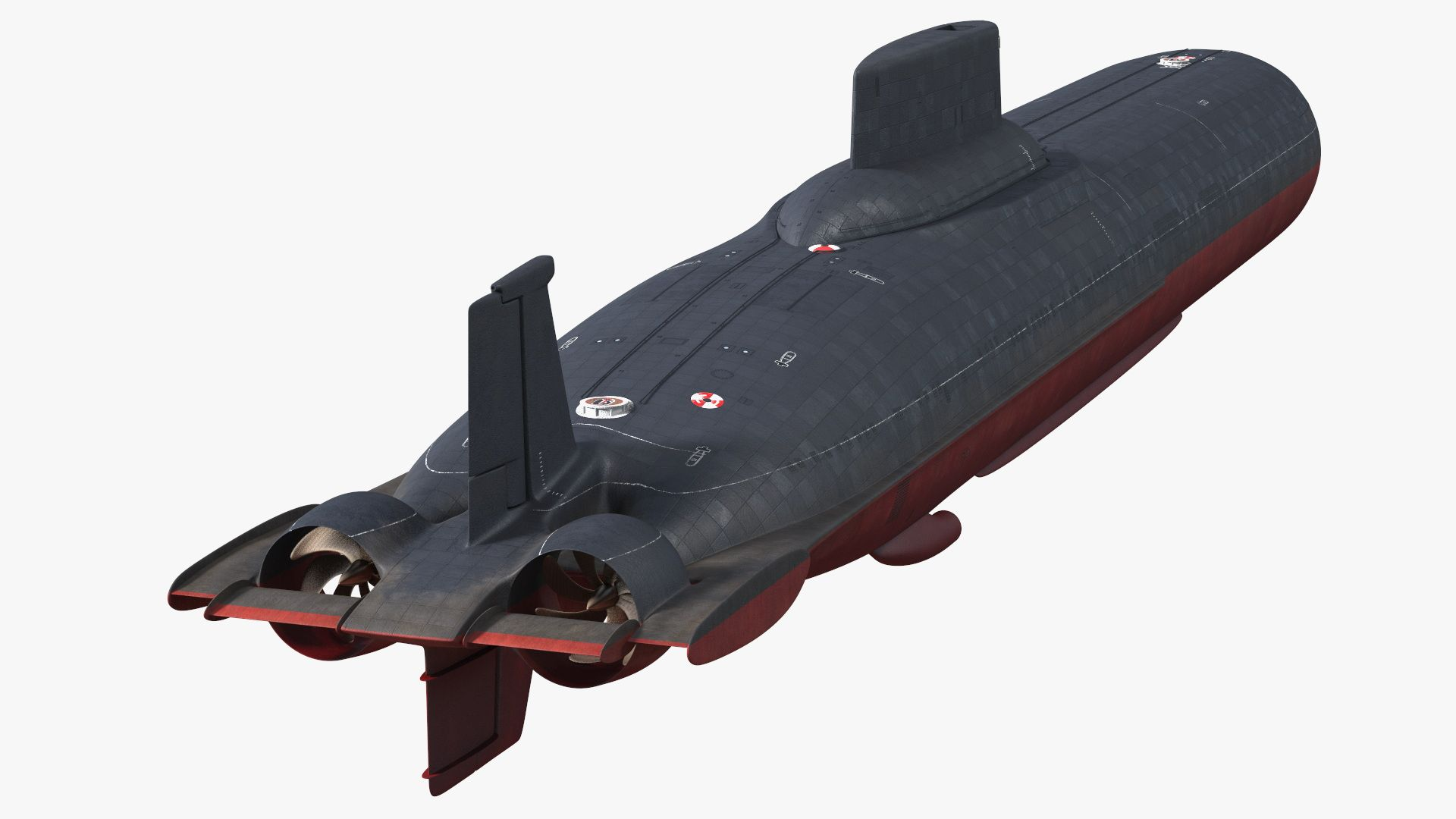
In the mid-1980s, a shadowy threat emerged from the depths of the oceans and changed the game of undersea strategy forever. The Soviet Project 971 Shchuka-B submarine, known in the West as the Akula-class, was not just a new addition to the fleet: it was a silent revolution that ended NATO’s acoustic superiority and forced the US to rewrite the handbook of counterintelligence warfare.
Birth of an Invisible Hunter
While Soviet naval technology had lagged behind in terms of “silence” for decades, the Akula shocked Western intelligence agencies. It arrived a decade earlier than Americans had predicted, with an acoustic footprint so reduced that even the US Navy’s state-of-the-art SOSUS systems struggled to detect it.
The change in philosophy was radical. While the Soviets had previously emphasized speed and depth, the goal was now one: absolute silence.
The threat of the American Los Angeles-class fleet had caused a technological panic that gave birth to the USSR’s most ambitious underwater hunter-killer.
Engineering under pressure: From titanium to steel
The Akula was not born in laboratory perfection but as the result of a rare mix of strategic necessity, industrial constraints, and illegal technology transfer.
The extremely expensive Sierra-type underwater platforms (with titanium) could not be mass-produced.
The USSR made a bold move: it switched to low-magnetic steel, but with a design that maintained the stealth and performance levels of its predecessor. The result was a Sierra-level submarine, at a fraction of the cost and production time.
Ultimate Survival Weapon: Double Hull and Silent Power
The Akula incorporated the traditional Soviet double-hull design – with an inner pressure layer and an outer hydrodynamic layer. This offers three times the positive buoyancy of Western designs, as well as greater survivability after hits, such as torpedoes.
The 190MW OK-650B nuclear reactor, together with the OK-7 turbine and seven-blade propeller, give it speeds of over 33 knots and a diving depth of 600 meters — values that surpass even the improved Los Angeles-class.
The Silent Revolution: The Acoustic Mutation
The real breakthrough of the Akula was its dramatic reduction in noise. Until then, Soviet platforms had been noisy and easily detected. But Akula changed the terms:
- Illegal technological acquisition: Through the Toshiba-Kongsberg scandal, the USSR acquired CNC machines that allowed the construction of silent propellers.
- Rafting of engines: The entire power line was placed on a “tailor” with anti-vibration means, isolating vibrations.
- Anechoic tiles on the outer surface, which absorb sonar and noise.
- Noise cancellation system: It is possible that the latest Akulas were equipped with active noise cancellation – real-time noise cancellation.
- Fluid dynamic refinement: Covers for water passage holes, configurations to reduce turbulence, etc.
The result? A submarine that forces the West to redesign its entire ASW (anti-submarine warfare) strategy.
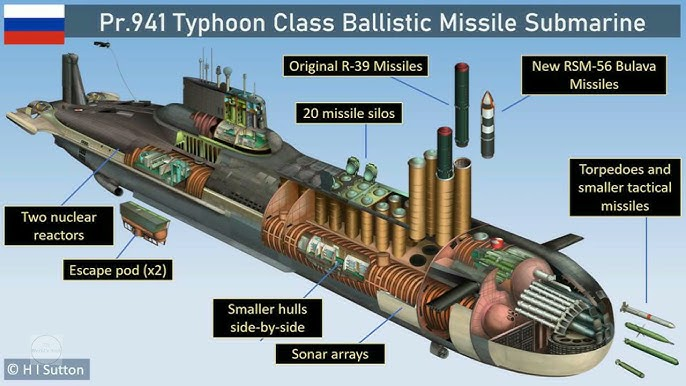
Akula Family: A Line of Silent Assassins
Four distinct Akula subclasses were built from 1984 to 2009, with continuous improvements in stealth. From the Akula I to the Akula III (K-335 Gepard), Russia created a line of weapons designed for hunting and survival.
Armament – Deadly Versatility
The Akula has eight torpedo tubes (4x650mm and 4x533mm), capable of carrying:
- Heavy torpedoes of the Type 65-76 type for ships
- Guided torpedoes for submarines
- SS-N-16 and SS-N-15 anti-submarine missiles
- S-10 Granat cruise missiles (up to 3,000 km, with nuclear warhead)
- Modern Kalibr for strikes on land targets
- The maximum number of weapons reaches 40 units per mission.
Although designed for the needs of the Cold War, the Akula continues to serve to this day, remaining a strategic asset to the Russian Navy. Its existence is a reminder that in underwater warfare, silence is strength – and the first to be heard dies.