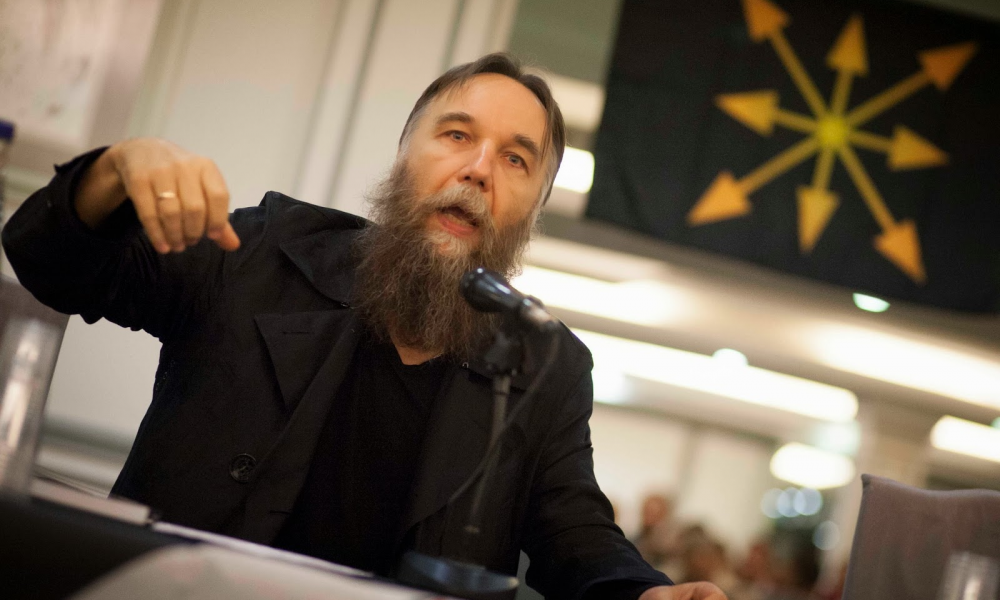
Khalifa Haftar, perhaps the most powerful man in Libya today, wears the uniform of the Libyan army and is adorned with decorations, presenting the image of a patriot.
So who is Khalifa Haftar? Who really is the general who hides behind Libya’s interests, those of Turkey? And why is he doing this?
Haftar was born in 1943 in Ajdabiya, in southeastern Libya. As a soldier, he participated in the revolution led by Colonel Muammar al-Gaddafi and, as the regime’s chosen one, he came to command the Libyan forces in the war with Chad. There, he made such a mess that his huge base was captured, and he and his staff, as well as several of his men, were arrested by Chadian forces. He remained in prison as a prisoner of war for about three years and during his detention, he organized an anti-Gaddafi movement among his fellow prisoners! Something that must be a unique phenomenon in the history of prisoners of war!
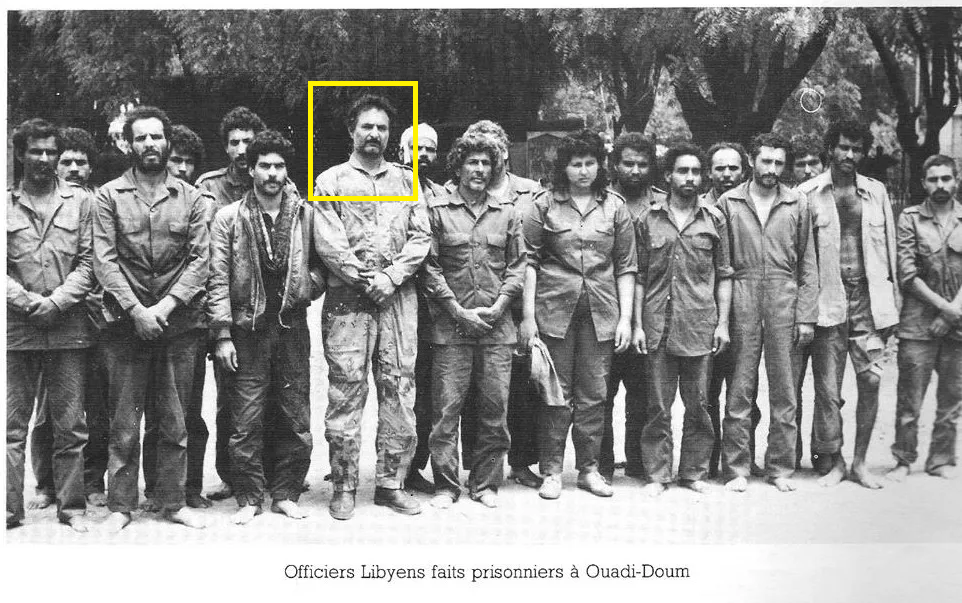
This “patriot”, as if by magic, the protector of democracy everywhere, the CIA, decided to free him. He therefore settled in the United States as part of an agreement concluded between Chad and the US government.
The CIA was supporting Chad against Libya and was informed by the French Security about the anti-Gaddafi former commander and saw his “value”.
Declassified documents and intelligence sources prove that his release from Chad was mediated by the CIA, which saw the value of cultivating a possible alternative to Gaddafi. Former intelligence officials have revealed that Haftar was part of a broader US strategy to maintain influence over Gaddafi.
His relocation marked the beginning of a nearly two-decade stay in America (1990s–2011), where he was under CIA protection and acquired American citizenship.
Haftar lived in Langley, Virginia, a location known for the CIA headquarters. Reports indicate that he collaborated with American services as part of efforts to confront the regime of Muammar al-Gaddafi. His presence in the US was discreet and he maintained a low profile, avoiding major public appearances. However, his low profile did not prevent him from specific activities:
He founded “Haftar Associates,” a firm used as a front for intelligence-related work. He developed connections to U.S. defense contractors through Muslim-American business associations, particularly those with ties to the Middle East’s security sectors.
Corporate records reveal a web of businesses: “Libyan American Oil & Gas Consultants” funneled $4.2 million from Gulf states. “H-Vest Security” – employed 23 former JSOC agents. “Virginia Horse Stables LLC” – moved $17 million through equestrian investments. His sons attended U.S. military academies, suggesting privileged access to U.S. institutions. His bank statements show regular deposits from defense-related front companies.
He also maintained contacts with Libyan opposition figures and was groomed by the CIA as a potential alternative leader in the event of the collapse of the Gaddafi regime. His nearly 20 years in the United States were a crucial chapter in his life. His stay at Langley, his ties to American intelligence, and his acquisition of American citizenship are hallmarks of his American affiliation and clearly shaped his subsequent role in Libya’s turbulent politics.
Recent documents and whistleblower testimony paint a startling picture of a meticulously managed and long-running intelligence operation, backed by Haftar, aimed at destroying Libya.
In this light, it is impossible not to understand that his pro-Turkish policies emanate from the Langley offices and aim to further diminish Greek influence in the Eastern Mediterranean.
The Greek side, in the “Libya issue” has suffered continuous diplomatic humiliations, which are now escalating into diplomatic and economic defeats.
At some point, the political personnel who govern this country should realize that it is no longer enough to tell the people fairy tales from the television screen. The world in our days is changing rapidly and there is no room for sloppiness and superficiality.
The Greek needs, the challenges for Greece in the 21st century that were brutally neglected by the Greek political community have become inconceivable problems that give third-class agents like Khalifa Haftar the shadow of giants.