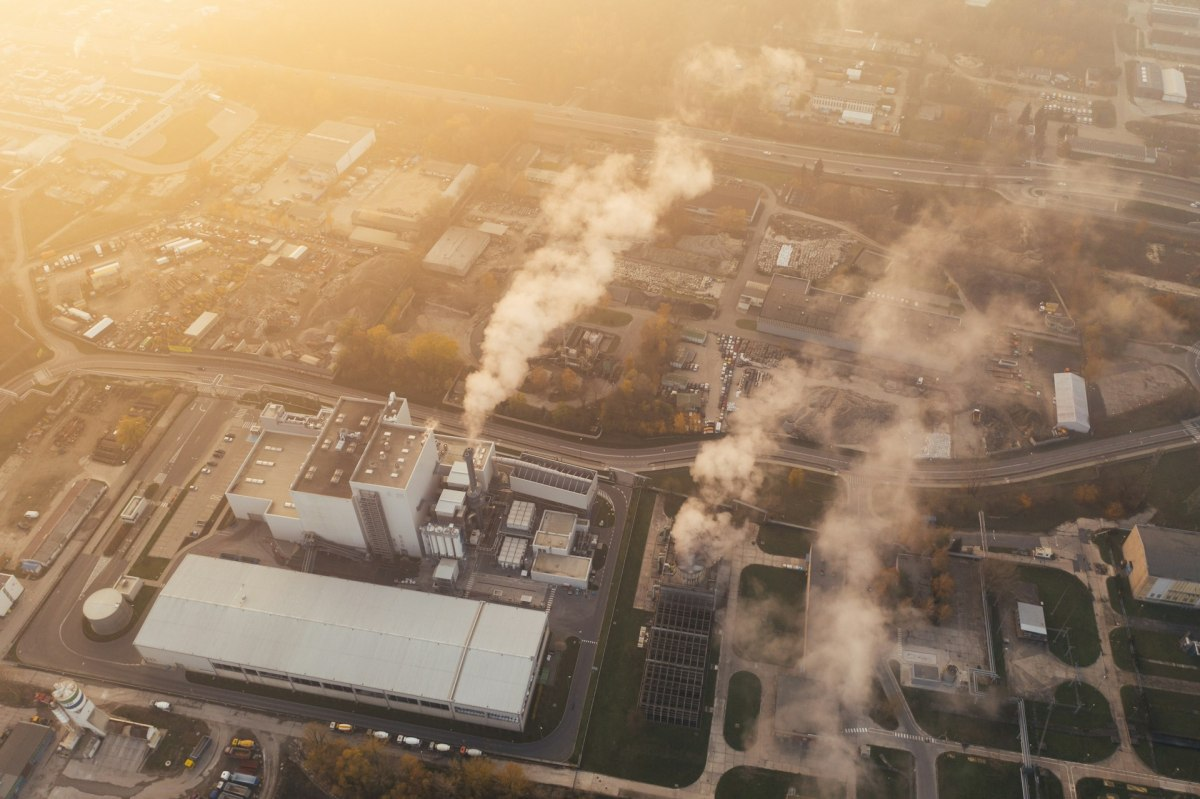
Carbon dioxide (CO₂) is a colorless, odorless gas that is a natural component of the Earth’s atmosphere. It is produced by natural processes as well as by human activities such as the burning of fossil fuels and deforestation.
Increased CO₂ emissions from human sources (factories, vehicles, power generation) are amplifying the greenhouse effect, leading to global warming, melting glaciers, rising sea levels and extreme weather events.
New measurements at the Scripps Institution of Oceanography in San Diego have shown that atmospheric carbon dioxide levels are at record highs since records began. These are likely the highest levels in human history.
Carbon Dioxide: Surpassed 430 ppm
The average monthly carbon dioxide level in May 2025 exceeded 430 parts per million (ppm). Specifically, it reached 430.2 ppm, an increase of 3.5 ppm compared to the May 2024 measurement of 426.7 ppm. This is the highest level since accurate measurements began 67 years ago.
Perched high on the slopes of the Mauna Loa volcano, the Mauna Loa Observatory is the global benchmark for monitoring atmospheric CO2. At an altitude of 11,141 feet above sea level, the observatory makes measurements that represent the average state of the atmosphere in the Northern Hemisphere.
In 1958, Charles David Keeling, father of Ralph Keeling, began monitoring CO2 concentrations at the NOAA weather station located on the observatory grounds. Keeling was the first to recognize that carbon dioxide levels in the Northern Hemisphere decline during the growing season and rise again as plants dry out in the fall. He recorded these fluctuations by creating a graph known as the “Keeling curve.”
NOAA began daily CO2 measurements in 1974 and has maintained a complementary, independent record of measurements ever since.
Daily Sampling
The more carbon dioxide there is in the atmosphere, the faster the rate of global warming. Like other greenhouse gases, CO2 acts as a “trap,” trapping heat and warming the lower layers of the atmosphere. This changes weather patterns and fuels extreme events such as heat waves, droughts and wildfires, as well as heavy rainfall and flooding.
For most of the past half century, continuous daily sampling by both NOAA and Scripps at Mauna Loa has provided a baseline for establishing a long-term track of the increase in the most important greenhouse gas.
In the Southern Hemisphere
It should be noted that the Mauna Loa observatory is considered a key climate monitoring station, a reference point for recording global CO2 increases, but it does not record the full extent of variations throughout the atmosphere. Southern Hemisphere stations have yet to exceed 430 ppm, with NOAA’s own monitoring network seeing an average of 430.5 ppm, an increase of 3.6 ppm from last year.
The Mauna Loa data, along with measurements from monitoring stations around the world, are incorporated into the Global Greenhouse Gas Reference Network, a fundamental research dataset for international climate scientists and a reference point for policymakers trying to address the causes and impacts of climate change.