



In 1997, Apple was a company in distress. The brand had lost its identity, the company’s products were too numerous and disjointed, and the competition—mainly Microsoft—had squeezed it. The solution? A comeback that no one expected.
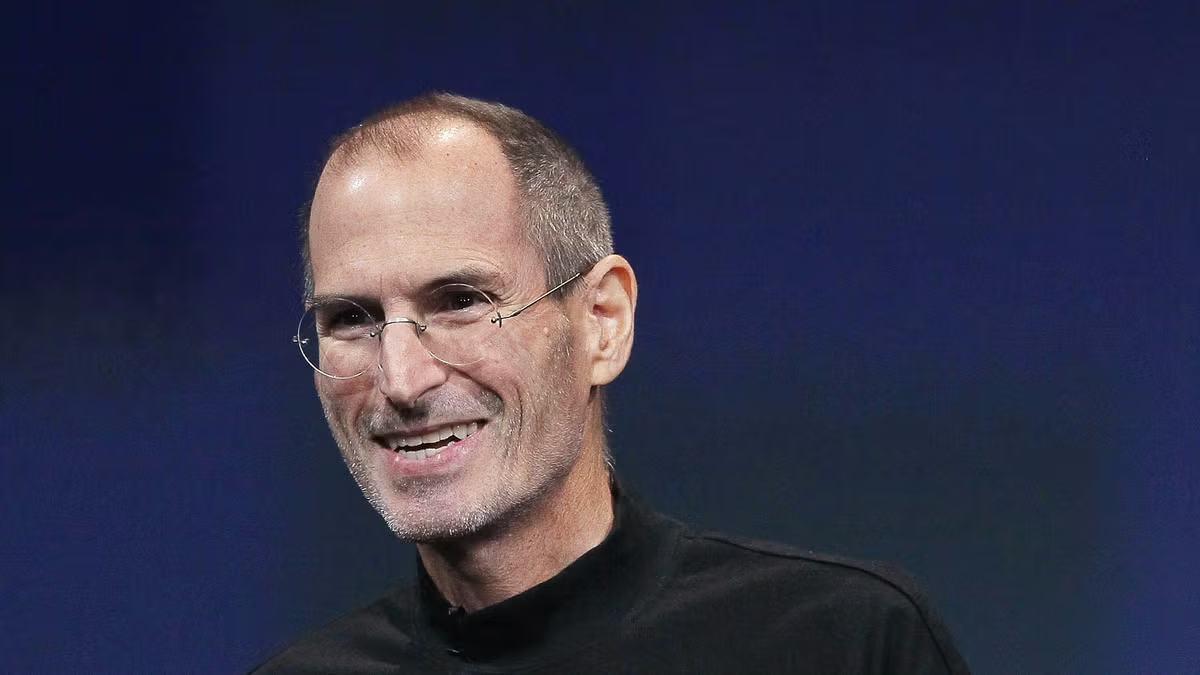
The board made the big decision to bring back Steve Jobs—the man who had founded Apple and left the company 12 years earlier. And what Jobs did when he returned was more than a change of leadership. It was a complete overhaul.
The “30% Rule”
At the heart of his strategy was a simple but bold rule: the “30% Rule.”
“We looked at Apple’s roadmap and realized that only 30% of the products were truly great,” Jobs told CNBC in October 1997.
So what did he do? He simply cut the rest. About 70% of Apple’s products were withdrawn from the market. The product portfolio was drastically simplified, and all resources – financial, human and creative – were concentrated on the 30% that really had value.
The decision had consequences. About 4,100 employees, or almost a third of the staff, were laid off. The cuts were harsh but necessary. They reduced operating expenses by $500 million a year. Most importantly, however, they brought focus and strategic thinking back to a company that had lost its way.
Until then, Apple had been trying to be everything to everyone. Many products, many markets, no clear focus. Jobs put an end to that. He didn’t want to follow the needs of the market. He wanted to shape them.
Quality, simplicity and design
The new era was based on a few, great products. Everything was designed with quality, simplicity, and design in mind. And that approach paid off: the iPod in 2001, the iPhone in 2007, the iPad in 2010—all came from the 30% philosophy.
The market responded. Confidence was restored. Apple went from a company on the brink of bankruptcy to the greatest technology powerhouse on the planet. And it all started with a simple but decisive idea: keep only the best.

