
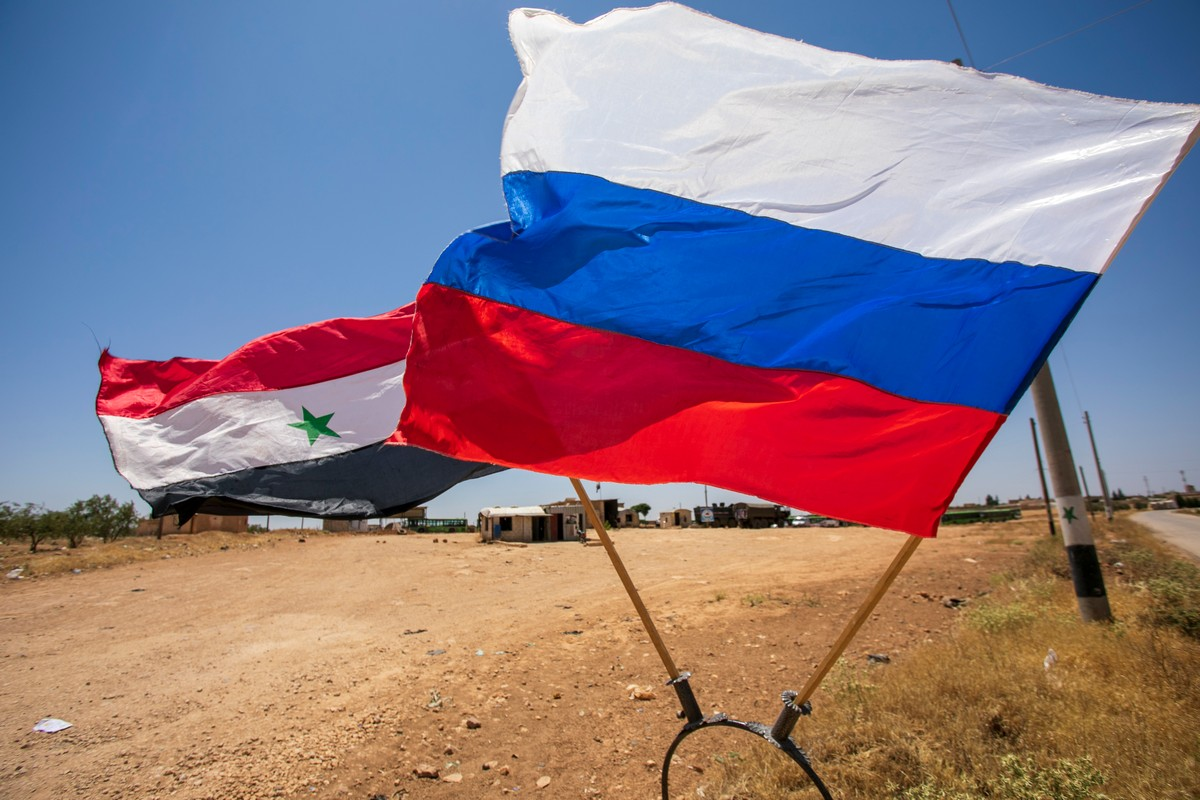
Russia’s ten-year war involvement in Syria has recorded at least 543 deaths. These figures were determined by a survey of death certificates, publications, announcements, etc., so the final number will certainly be higher.
Russian involvement began in 2015, on the side of Bashar Al-Assad, and was on all fronts, naval, air and land, both “officially”, that is, with the participation of regular Russian forces, and through the Wagner organization, whose units were sent to the scene. The “Wagnerites” also suffered the largest share of the losses, as 346 of their own dead are recorded out of the 543 confirmed. Another peculiarity of the Russian losses is that they include a very large number of special forces and unit officers (even FSB and GRU officers), who were deemed necessary to be deployed to Syria, while the number of high-ranking officers is also unexpectedly large. As the dead include a lieutenant general and 26 colonels and lieutenant colonels.
The front line of the Russian attack was of course mainly the air wing, with tens of thousands of sorties of fighter jets and bombers, which swept the country, where there were concentrations of ISIS and anti-regime groups. Here, of course, there are also many complaints about thousands of civilian deaths from these attacks, which apparently were carried out indiscriminately. According to the Syrian Observatory for Human Rights, the number of civilians killed due to Russian operations reached 7,700 people in 2018!
The deployment of Russian forces was extensive and, in addition to the large bases in Tartus and Latakia, they had over 20 smaller ones throughout the country, plus dozens of outposts with frequent patrols. As for the Russian weapons systems used, they included the entire range of fighters and bombers (with a total of 14 losses), with Mi-35, Mi-28 and Ka-52 attack helicopters, with the installation of rocket launchers and short-range Iskander ballistic missiles, with the stationing of S-300, S-350 and S-400 anti-aircraft batteries in order to protect the Russian bases (preventively creating deterrent zones for Israeli raids). On the naval side, they launched anti-ship missiles and submarines. Furthermore, Russian action in training, organizing, and equipping Syrian units loyal to Assad was very important, along with undertaking demining missions, intelligence gathering, raids, guarding, patrolling, and so on.
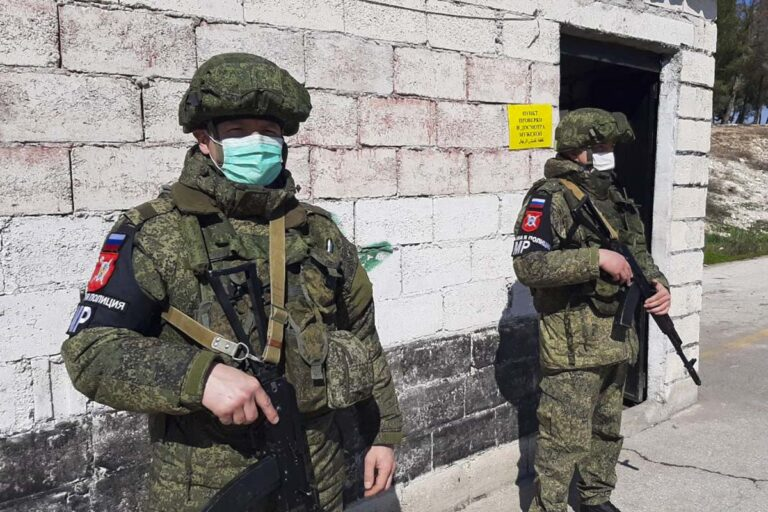
In total, it is estimated that some 70,000 Russian military personnel have passed through Syria in successive missions and stays over the last decade, in close cooperation with Assad’s forces, as well as those of Iran and Iraq, all of whom were operating together, mainly to limit the spread of ISIS.
The above shows that the Russian military involvement in Syria was the largest since the Chechen wars until the invasion of Ukraine in 2022, with a huge financial and obviously human cost, when we also count those injured in the battles.
Today, Russia sees with disappointment that this significant investment of its in the Syrian landscape is failing (for now), where it attempted to create its own military power base but also to revive the strong relationship it had with Syria during the Arab-Israeli wars, in a complex geopolitical move. Where of course “everyone” found themselves in the same landscape: with a Turkish invasion, with thousands of armed men coming from Iran and Iraq, with an American, British and French military presence, where negotiations and temporary agreements were constantly taking place for each other’s “zones of influence” in order to avoid conflicts.
The above shows that the Russian military involvement in Syria was the largest since the Chechen wars until the invasion of Ukraine in 2022, with a huge financial and obviously human cost, when we also count those injured in the battles.
Today, Russia sees with disappointment that this significant investment of its in the Syrian landscape is failing (for now), where it attempted to create its own military power base but also to revive the strong relationship it had with Syria during the Arab-Israeli wars , in a complex geopolitical move. Where of course “everyone” found themselves in the same landscape: with a Turkish invasion, with thousands of armed men coming from Iran and Iraq, with an American, British and French military presence, where negotiations and temporary agreements were constantly taking place for each other’s “zones of influence” in order to avoid conflicts.