Diamond prices have collapsed to multi-decade lows, shaking the world’s largest coffers.
The downturn in the diamond market is breathtaking. Prices are in freefall as consumers, especially the wealthy who prefer precious stones, are now shunning luxury goods. Exacerbating the issue, the growing demand for lab-grown diamonds has pressured the prices of natural stones.
Data from the Diamond Standard Index shows that diamond prices have fallen to the lowest level ever recorded, with data going back to early 2002. The index has lost 45% of its value since March 2022.
Since diamonds are a consumer-driven market, the sharp drop in prices signals that the industry is in trouble, and that low/mid-range consumers are in trouble.
In less than a week, Dollar General and Dollar Tree, with tens of thousands of stores in the US, have warned that their core customer bases are under pressure. These discount retail chains offer a unique insight into consumer sentiment.
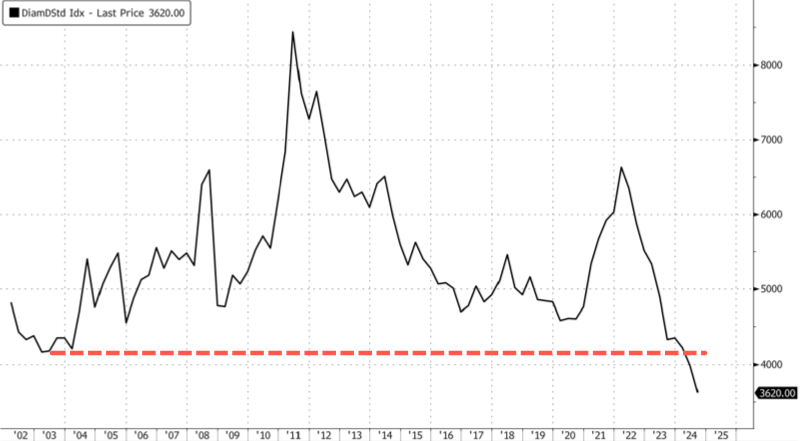
Turmoil everywhere
De Beers, the world’s largest diamond producer by value, recorded its worst year in two decades earlier this summer. Its parent company, Anglo American, recently announced plans to divest and spin off its 85% stake in the diamond subsidiary.
The diamond and luxury goods industry has been a major beneficiary of the cash the US government has provided during the Covid era. But once pandemic austerity ran out and governments unleashed a firestorm of inflation, consumers were forced to quickly pull back on spending on diamonds, Rolexes, handbags and Gucci.
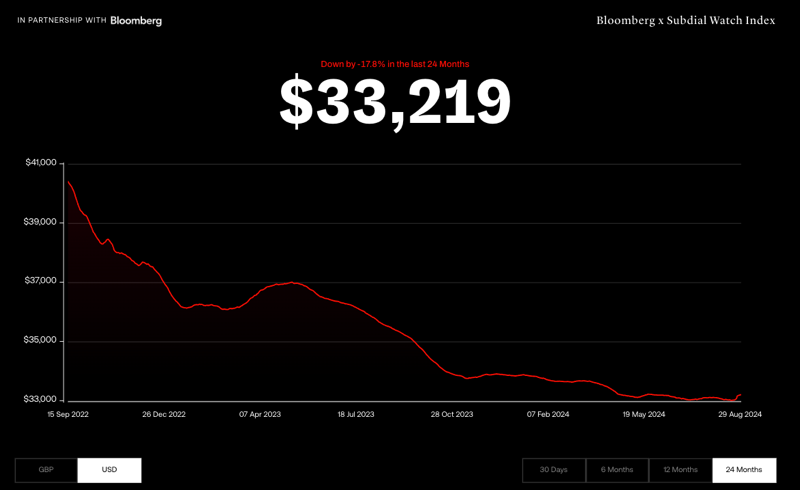
Crash in the watch market as well
In addition to the collapse in diamond prices, the Bloomberg Subdial Watch Index, which tracks prices for the 50 most-traded watches by value on the secondary market, has sunk nearly 18% in 24 months.
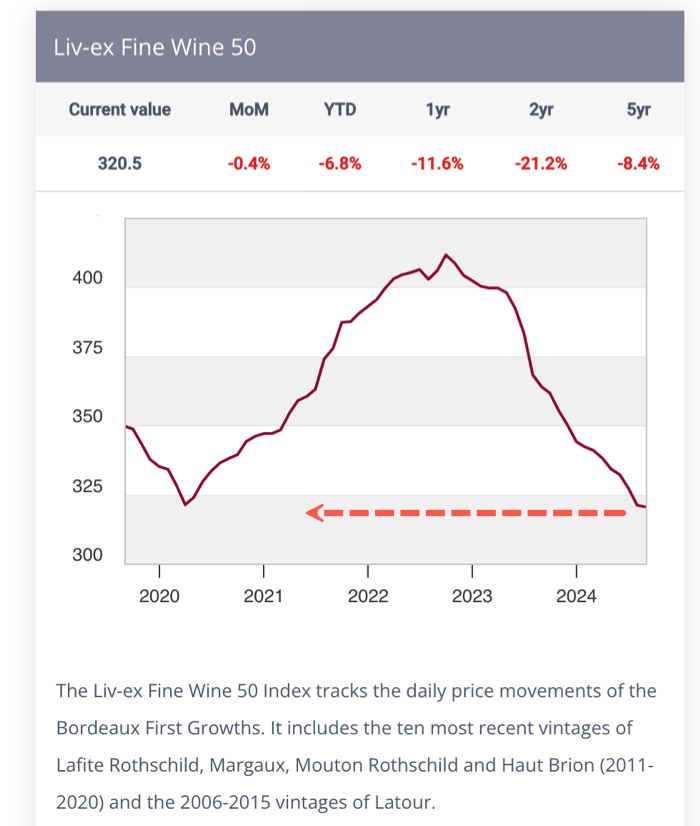
Looking at wine prices on the London International Vintners Exchange, the Live-ex Fine Wine 50 index has dipped below Covid lows, with a 5-year return of around 8.4%. Let’s not forget that classic cars like Packard Roadsters and Ford Thunderbirds, or especially pre-1960s classics, don’t fetch high prices at auction anymore.
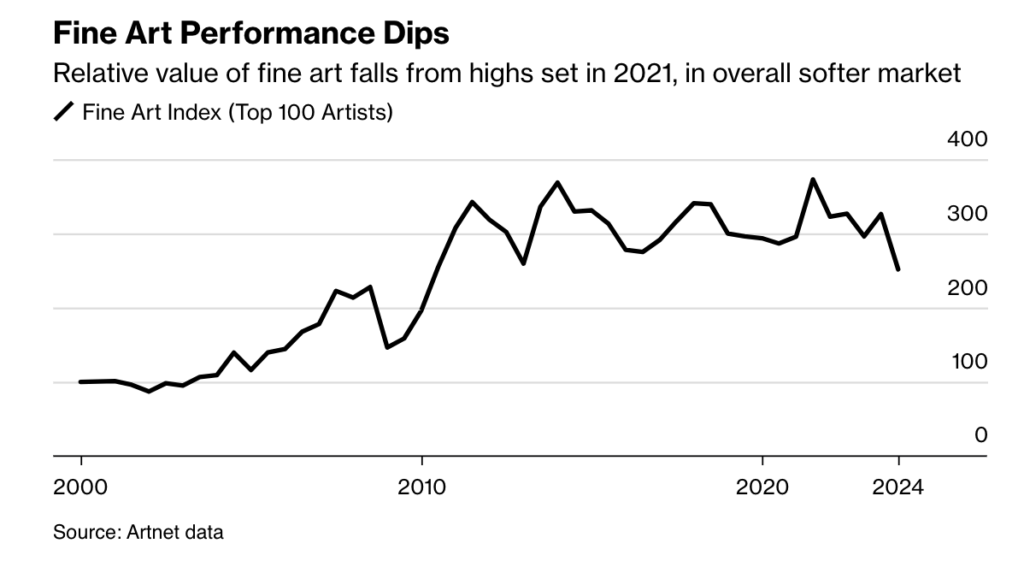
Baby Boomers overpaid for these vehicles, while GenXers and millennials seek out cars from the 1980s, 1990s and 2000s, such as the 911 Turbo.