



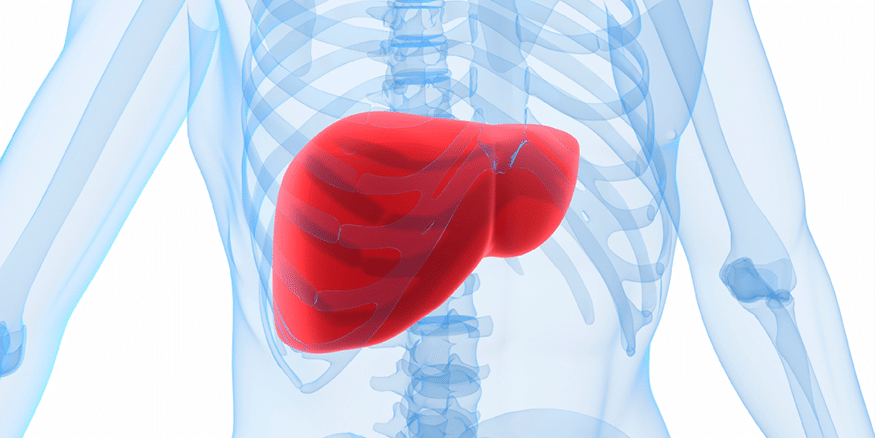
Researchers from Nagoya University in Japan have taken a major step in the treatment of lipid disorders with the development of a new compound, ZTA-261. The compound specifically targets the thyroid hormone receptor beta (THRβ), which plays a critical role in regulating lipid metabolism. According to the study, (“Controlling lipid levels with less side effects possible with new drug“), ZTA-261 achieved a significant reduction in lipid levels in the liver and blood of mice, with minimal side effects compared to other treatments.
Lipid disorders, such as dyslipidemia, are characterized by abnormalities in the levels of blood lipids such as cholesterol and triglycerides, which increase the risk for cardiovascular disease. THRβ is mainly expressed in the liver and hypothalamus, making it an important target for lipid-modulating therapies. Unlike cardiovascular receptor alpha (THRα), which is found in the heart and muscle, THRβ activation does not cause serious side effects such as changes in heart function and size or muscle wasting.
Great accuracy
ZTA-261 was designed as a thyroid hormone derivative with high selectivity for THRβ – it can target that receptor with great precision. The researchers compared ZTA-261 to another derivative, GC-1, and to the natural thyroid hormone T3. ZTA-261 demonstrated nearly 100-fold higher selectivity for THRβ over THRα, a significant improvement over GC-1 and only a 20-fold difference in selectivity. This was confirmed by the significant increase in heart weight and markers of bone damage in mice treated with T3, but not in those treated with ZTA-261.
Safe treatment
The research team also looked at potential liver toxicity by measuring alanine aminotransferase (ALT) levels, and found that there were no significant differences between the mice that received ZTA-261 and those that received saline. These findings suggest that ZTA-261 is not only effective but also safe, marking progress in the development of treatments for lipid disorders with fewer side effects.
The researchers called the results encouraging, but stressed that further research, including human clinical trials, is needed before ZTA-261 is considered ready for clinical use. However, this discovery highlights the importance of precise molecular design in drug development and offers new ideas for creating safer and more effective treatments for dyslipidemia and cholesterol and triglyceride regulation.

