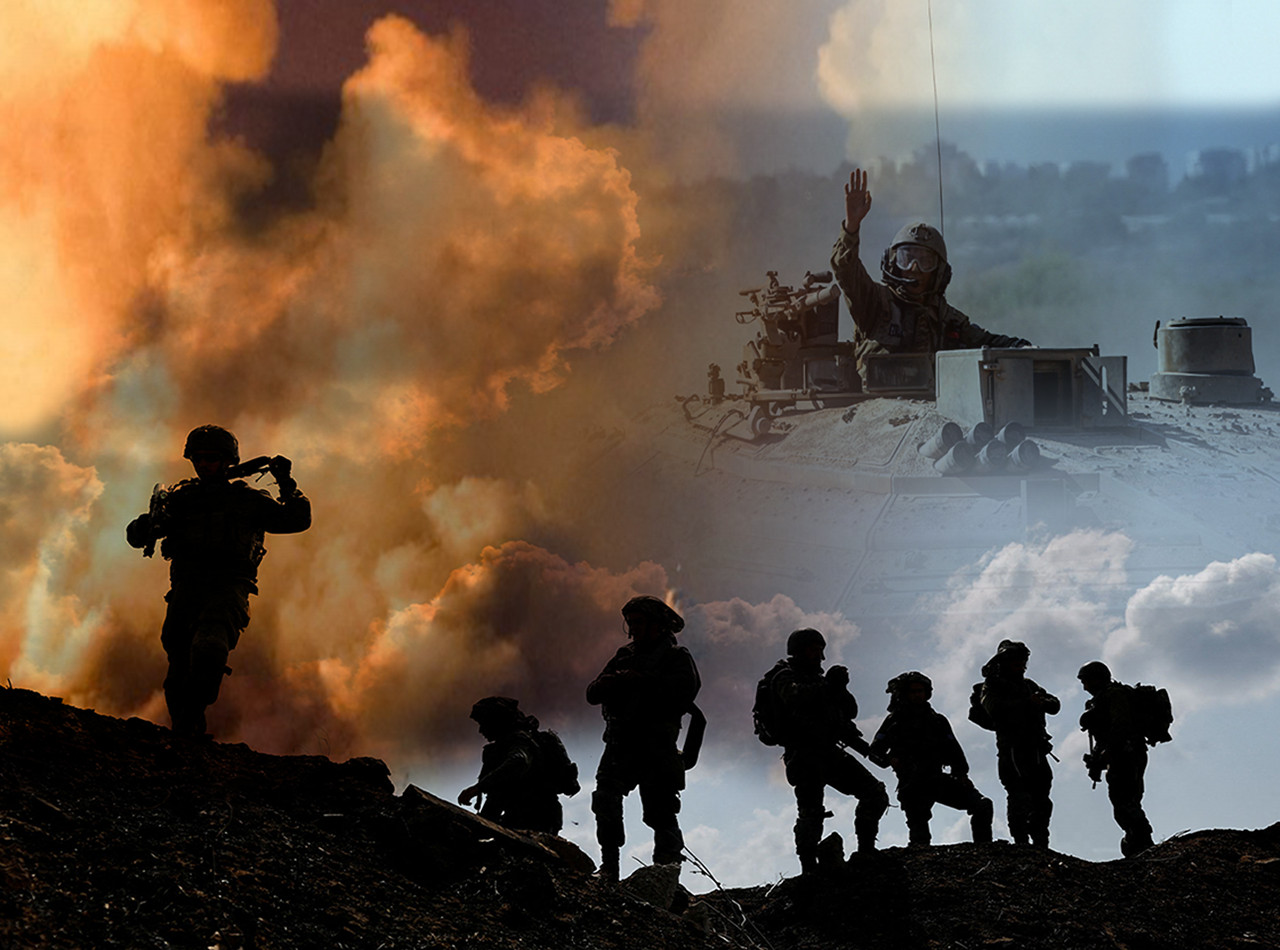
With the stress of higher interest rates, in housing and business loans, the planet lives and the war climate portends new increases, thus throwing water to the mill of increases from the central bank (EKT). Already, before the war in Israel, interest rates had gone up.
(Data: ECB, https://data.ecb.europa.eu/main-figures/bank-interest-rates/loans)
| EU-member-states | Cost of a Household Loan Mortgage) % | Loans for Consumption % | Business Borrowing Cost % |
| Malta | 1,97 | 1,76 | 3,00 |
| France | 3,31 | 5,95 | 4,54 |
| Croatia | 3,46 | 5,07 | 4,98 |
| Belgium | 3,69 | 6,92 | 5,09 |
| Spain | 3,84 | 8,24 | 4,94 |
| Euro area | 3,88 | 7,91 | 4,99 |
| Austria | 3,91 | 8,96 | 5,09 |
| Slovakia | 3,95 | 9,35 | 6,21 |
| Netherlands | 3,98 | 8,09 | 4,36 |
| Slovenia | 4,05 | 6,72 | 4,94 |
| Ireland | 4,08 | 7,67 | 5,78 |
| Germany | 4,14 | 8,45 | 5,10 |
| Luxembourg | 4,19 | 5,31 | 3,22 |
| Greece | 4,22 | 11,90 | 6,34 |
| Portugal | 4,23 | 8,93 | 5,92 |
| Finland | 4,25 | 7,91 | 5,08 |
| Italy | 4,29 | 8,89 | 5,01 |
| Cyprus | 4,87 | 6,05 | 5,80 |
| Estonia | 5,65 | 13,16 | 6,17 |
| Lithuania | 5,75 | 9,78 | 6,41 |
| Latvia | 5,82 | 13,66 | 3,10 |
Under the uncertain international climate – and the shock of the war – new waves of inflationary pressures and a new push for renewed interest rate increases by the ECB are possible.
Oil prices rose sharply, breaking above $90 a barrel for the first time since November 2022. However, the prospect of massive volatility hangs over the market due to the devastating Israel-Hamas war.
War and a toxic mix of inflation
Such a case would bring a domino of more expensive loans, but also increase the risk of bad loans. The “hawks” of the ECB are already chirping and do not rule out new future increases. Inside the European Bank, they are talking about oil prices which are still a risk and therefore lead to a new increase in interest rates.
It is no coincidence that the International Monetary Fund is warning of keeping interest rates – by major central banks – at higher levels for a longer period of time in order to deal with inflation. And this entails the risk of a significant increase in the red loans of businesses and households.
Threat of more expensive loans
Although informed borrowers are protected, to some extent, following measures by governments to freeze installments on existing revolving loans, the threat of more expensive loans is cutting the upside for investment. But those who have had problems repaying their loans or want to get a loan are facing a difficult time.
Frontal conflict in the property market as well
In this context, economists see a head-on collision in the real estate market as well, as high interest rates negatively affect the housing market and the commercial real estate market.
The IMF even predicts that interest rate hikes are not complete, while stressing that central banks must remain firmly committed to returning inflation to the 2% target. As he explains, sustainable growth and financial stability are not possible without price stability.
In less than 12 months, the need to fight inflation has led the ECB to raise the key interest rate from 0% in July 2022 to 4% today. This also brought the jump in interest rates on loans from commercial banks, which now charge on average for mortgages from around 1.30% in the summer of 2021, to almost 4.7%.
These figures have not taken into account the conditions since the war in Israel, which climate may add fuel to the fire of accuracy across Europe. The jump for these consumer loan rates goes from 4.65% in January 2022 to over 8.6% today.
Risk of stagflation due to war
For the wider impact of the conflict in Israel it should be noted that the wars tend to be “stagflationary” – a toxic mix of high inflation and a stagnant economy that sometimes results from more expensive imports of raw materials. But, it is still too early to say that.
Borrowing costs had already risen since the ECB’s last policy meeting as a result of higher bond yields, and they will have to wait if further tightening is required through an increase in banks’ minimum reserves.
This move will drain cash from the financial system and, since minimum reserves are unpaid, will also reduce the amount of interest the 20 eurozone central banks pay to their home commercial banks.