



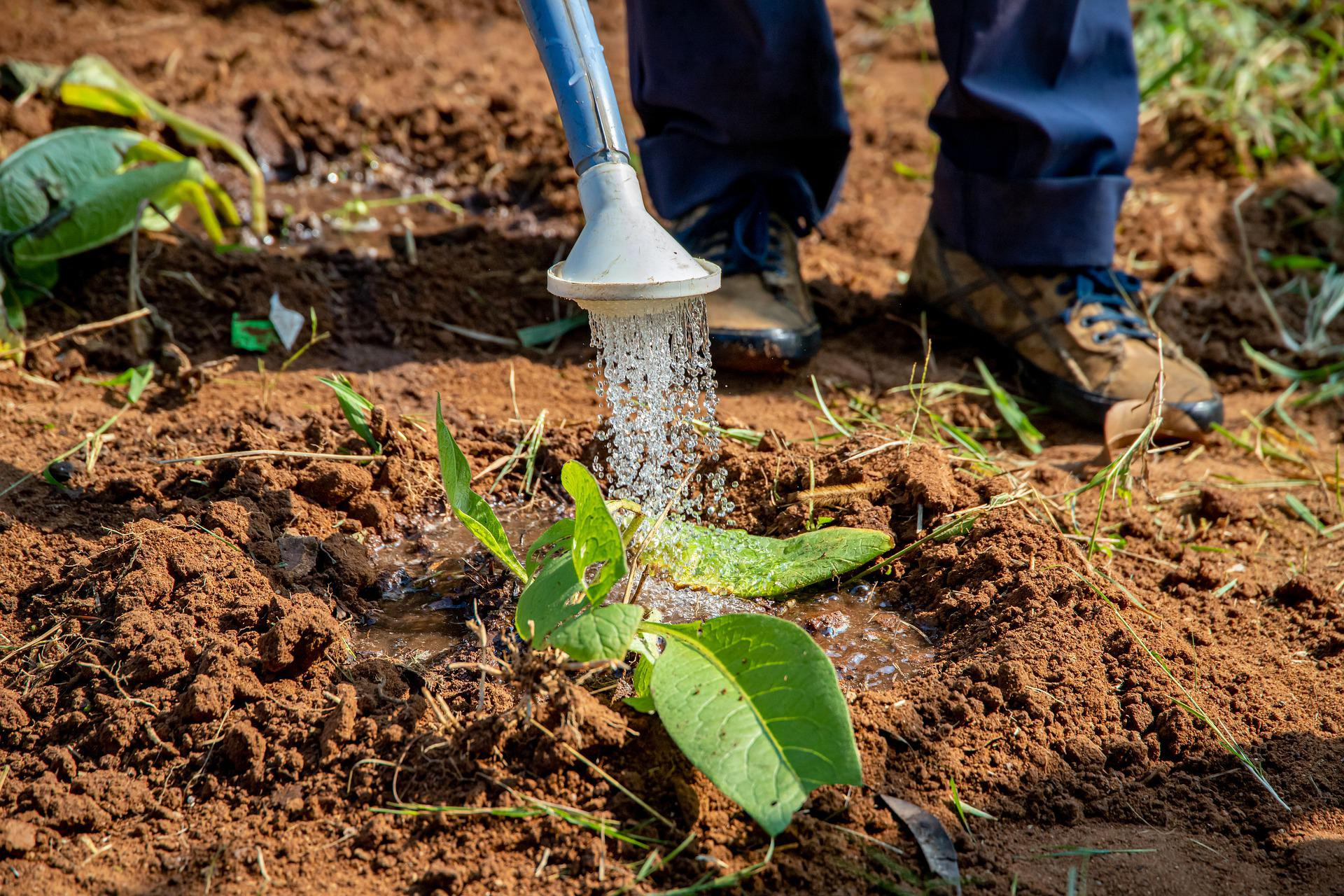
A package of measures for the sustainable use of key natural resources, which will simultaneously strengthen the resilience of the EU’s food and agricultural systems, was approved by the European Commission today.
A soil law will lead a path to healthy European soils by 2050, collecting data on their health and making it available to farmers and other managers. At the same time, the aim is to make sustainable land management the norm, as well as dealing with contaminated sites.
Today’s proposals will also boost innovation and sustainability, enabling the safe use of technical progress in new genomic techniques, resulting in higher yields and reduced pesticide use, and ensuring more sustainable, high-quality and diverse seeds for plants and forests.
Finally, new measures also propose the reduction of food and textile waste, which will contribute to a more efficient use of natural resources and further reduce greenhouse gas emissions.
Increasing the value of the soil and its resources
60 to 70% of soils in the EU are currently unhealthy. In addition, a billion tons of soil are washed away each year due to erosion, meaning that the remaining fertile topsoil is rapidly disappearing. The costs associated with land degradation are estimated at over 50 billion euros per year.
The proposal, which will result in the first EU soil legislation, provides a harmonized definition of soil health, puts in place a comprehensive and coherent monitoring framework and promotes sustainable soil management and the restoration of contaminated sites. The proposal brings multiple sources of soil data under one roof, combining soil sampling data from the EU’s Land Use and Area Coverage Framework Survey (LUCAS) with satellite data from Copernicus and national and private data. The ultimate goal is to achieve healthy EU soils by 2050, in line with the EU’s zero pollution ambition.
Soil data will support innovations, technological and organizational solutions, especially in agricultural practices. They will help farmers and other landowners to implement the most appropriate treatment methods and increase soil fertility and yields while minimizing water and nutrient consumption. Additionally, these data will improve our understanding of trends in drought, water retention and erosion, enhancing disaster prevention and management. Having this data can provide additional income opportunities for farmers and land managers, who can be rewarded for cultivating carbon, receive payments for ecosystem services, or increase the value of healthy soils and the food produced on them. It is noted that the proposal does not impose direct obligations on landowners and land managers including farmers.
Sustainable soil management will become the norm in the EU. Member States will define positive and negative practices for soil management. They will also determine regeneration measures to restore degraded soils to a healthy state, based on national soil health assessments.
The proposal also calls on Member States to address risks to human health and the environment caused by soil contamination, based on the polluter pays principle. Member States should identify, investigate, assess and remediate contaminated sites. The proposal adopts a risk-based approach, with nationally defined standards that allow decontamination decisions to be tailored to site-specific conditions.
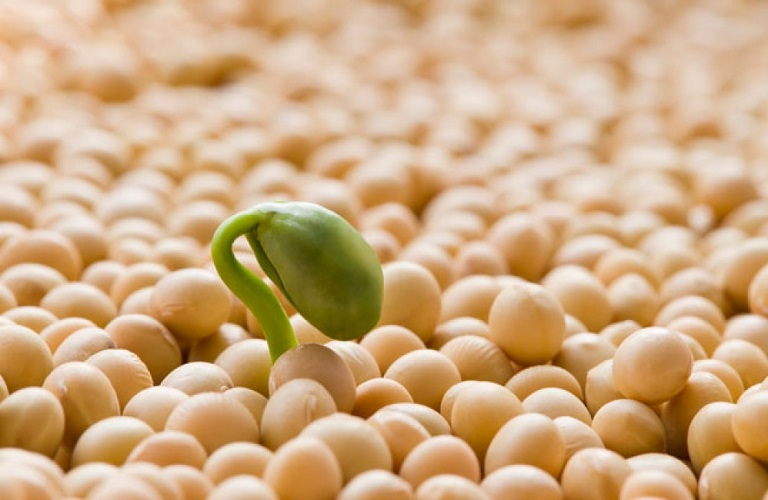
More resilient food systems with new genomic techniques
Farmers and ranchers need access to cutting edge innovations. New technologies can help strengthen the resilience of both agriculture and forest land and protect crops from the effects of climate change, biodiversity loss and environmental degradation. New Genomic Techniques (NGT) are innovative tools that contribute to increasing the sustainability and resilience of our food system. They enable the development of improved plant varieties that are climate resilient, pest resistant, require less fertilizer and pesticides and ensure higher yields, reducing the EU’s external dependence on agri-food production.
The Commission’s proposal results in the following:
- Creation of two categories of facilities received from NGT (NGT facilities comparable to natural or conventional facilities and NGT facilities with more complex modifications). Both categories will be subject to different requirements to reach the market, taking into account their different characteristics and risk profiles.
- Incentives to direct plant development towards more sustainability.
- Ensuring transparency for all NGT plants on the EU market.
- Offer to monitor the economic, environmental and social impacts of NGT products.
In most cases, these new techniques lead to more targeted, precise and faster changes than conventional breeding or established genomic techniques.
More sustainable and diverse plant and forest reproductive materials
The European seed sector is the largest exporter in the world seed market (20% of the world market with an estimated value of €7-10 billion and 7000 companies mainly SMEs). It is important that the legislation is harmonized with the development of science. This proposal will update and simplify the existing rules, some of which are over 50 years old.
The proposed regulation on the production and marketing of plant reproductive material will increase the diversity and quality of seeds. They will guarantee stable yields from future plant varieties through viability testing (eg disease resistance). The seeds will also better adapt to the pressures of climate change and help maintain the genetic diversity of cultivated crops and help ensure food security. The proposal will also reduce red tape and increase the efficiency and effectiveness of registration and certification systems.
For forest reproductive materials, help will be provided to ensure that the right tree is planted in the right place so that forests can better adapt to climate change. Tree propagation enables the acceleration of adaptation of forests to climate change, thus ensuring their continued productivity in the future.
Reduction of food and textile waste
Almost 59 million tonnes of food (131 kg/capita) is wasted in the EU every year with an estimated market value of €132 billion. More than half of food waste (53%) is generated by households, followed by the manufacturing sector.
Fighting food waste is a triple win: it saves food for human consumption and therefore contributes to food security, helps companies and consumers save money, and reduces the environmental impact of food production and consumption.
To accelerate the EU’s progress, the Commission proposes that, by 2030, Member States reduce food waste by 10% in processing and manufacturing and by 30% (per capita) in retail and consumption combined ( restaurants, food services and households).
Textile waste also puts a strain on limited natural resources. About 78% of textile waste is not collected separately by consumers and ends up in mixed household waste, destined for incineration or landfill.
