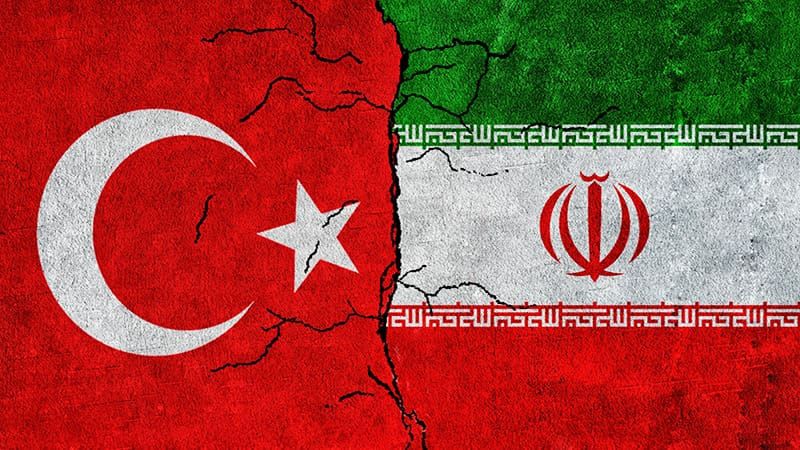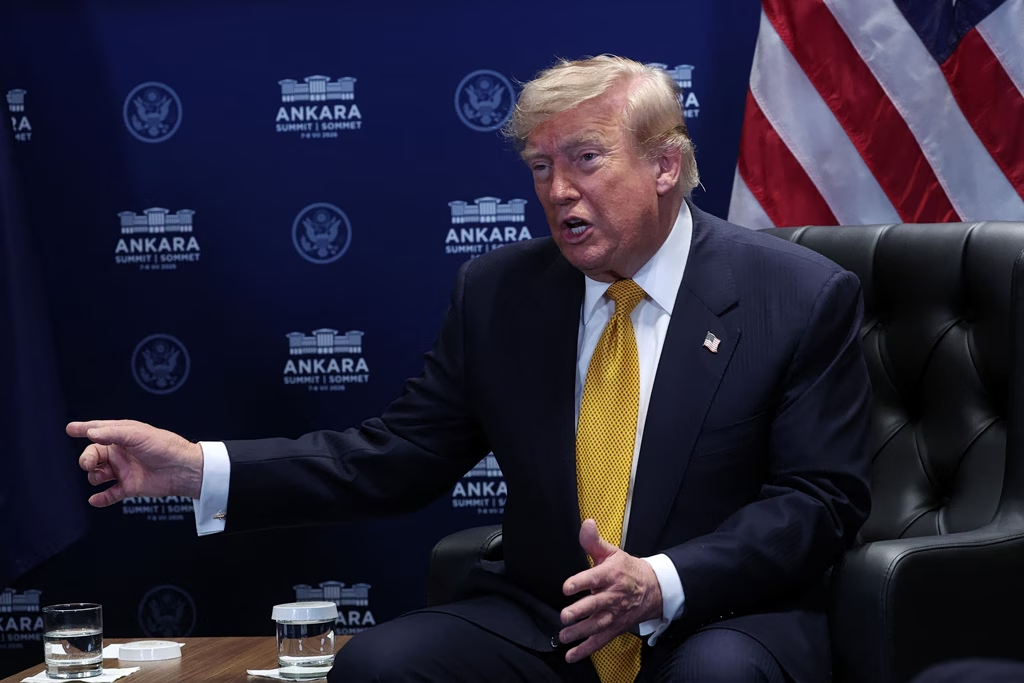

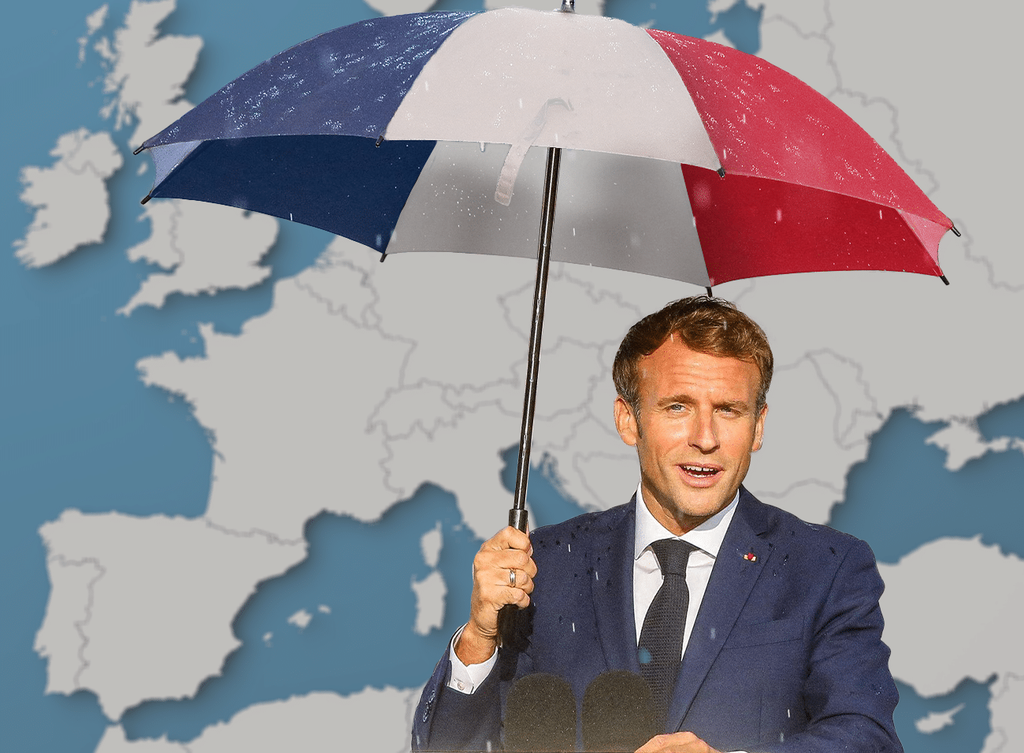
Having secured another five years in power, Recep Tayyip Erdogan is seeking to increase Turkey’s influence in the Balkans – a region that was for centuries part of the Ottoman Empire. For this reason, Turkey has already deployed around 500 Turkish commandos in northern Kosovo, strengthening its position in the Balkan region.
The opportunity
Rising tensions in northern Kosovo offer such an opportunity. Although southeastern Europe remains firmly in the geopolitical orbit of the United States, Ankara is likely seeking to play the role of mediator in the disputes between Belgrade and Pristina.
Tension in Kosovo, near the Serb-majority border, escalated on May 26 when the Albanian-dominated Kosovar Special Police Forces (ROSU) seized four municipal buildings in the area, aiming to help the newly elected ethnic Albanian mayors take office.
The Serbian population overwhelmingly boycotted the April 23 election, and while the vote was free and fair, the results did not reflect the wishes of the majority in the region.
ROSU’s actions angered the United States and – despite being Kosovo’s main supporter – expelled Pristina from military exercises conducted in Europe under its leadership, writes Serbian political analyst Nikola Mikovic.
Turkish commandos
Instead, US troops conducted joint exercises with the Serbian army near the town of Bujanovac, not far from Kosovo.
Fully aware that he cannot count on full Western support, Prime Minister Albin Kurti may seek alternative partners, hoping to improve Pristina’s standing on the international stage. Could Turkey be one of them?

Ankara has deployed around 500 Turkish commandos in northern Kosovo, responding to a NATO request for troops to help quell the unrest.
They have already started patrolling the municipalities of the north where the Serb element dominates. More importantly, Turkey is expected to soon take over command of the US-led NATO mission in Kosovo.
But even though Ankara is traditionally seen as an ally of Muslims in the Balkans, including Albanians, it does not necessarily mean that Erdogan will side with Kurti against the ethnic Serb majority of northern Kosovo.
Turkey’s goal
However, the recent meeting of the Kosovar prime minister with the Turkish ambassador in Pristina undoubtedly reflects his attempt to win Ankara’s support amid his standoff with the US.
It is no secret that Turkey aims to become one of the most influential foreign actors in the Balkans.
It already plays an important “peacekeeping” role in various conflicts, from Syria and Libya to Ukraine, and its mediation led to the grain deal signed between Moscow and Kiev.
Since EU-brokered dialogue between Belgrade and Pristina has not led to an easing of tensions, Erdogan sees a window of opportunity to mediate the conflict.
Balanced approach
Although Turkey strongly supports Kosovo’s 2008 unilateral declaration of independence from Serbia, Erdogan appears to be opting for a constructive, balanced approach that also implies respect for Serbian interests in the region.
Serbia – like EU members Spain, Greece, Romania, Slovakia and Cyprus – sees Kosovo as an integral part of it, so Turkey tries to balance its strong economic ties with the southeastern European nation of Serbia, with the its historical and cultural ties with the Kosovo Albanians.
In 2013, when Erdogan was prime minister, his statement that “Kosovo is Turkey and Turkey is Kosovo” drew sharp criticism from Belgrade.
Ten years later, Serbian President Aleksandar Vucic sees Erdogan as a factor who can “help maintain stability in northern Kosovo” and also as a “true friend” of Serbia.

Financial transactions
Indeed, despite differing views on the status of the partially recognized state, Serbian-Turkish relations have improved significantly over the past decade.
Serbian citizens can travel to Turkey without passports, while Ankara continues to strengthen its economic presence in the Balkan nation.
About 3,300 Turkish companies operate in Serbia, 21 of which have factories. In addition, total trade between Serbia and Turkey reached almost €2.5 billion (US$2.7 billion) in 2022, while the volume of trade between Turkey and Kosovo was much lower at $696 million.
Arms sales
Belgrade and Ankara – despite Turkey being a member of the North Atlantic Treaty Organization and Serbia remaining militarily neutral – are also expected to increase military cooperation, especially after Erdogan reportedly promised to provide the landlocked Balkan nation with drones Bayraktar aircraft.
However, the Kosovo Security Force has already received five Turkish-made drones, meaning that Turkey likely aims to benefit by selling arms to both sides.
An increased Turkish military presence in Kosovo will undoubtedly strengthen Ankara’s position in the region, especially now that the West is preoccupied with the war in Ukraine.
At the same time, it will help Erdogan present himself as an up-and-coming, impartial partner for both Belgrade and Pristina.
The US presence
But since the United States, with its Camp Bondsteel military base based in Kosovo – the largest and most expensive US-built military base in Europe since the Vietnam War – remains the largest foreign power operating in the Balkans, Turkey is unlikely to pursue a completely independent foreign policy in the region.
Instead, it will almost certainly have to coordinate most of its moves carefully with Washington.