



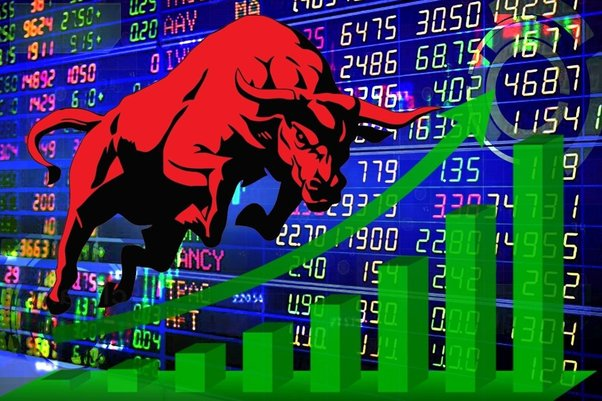
The bulls on Wall Street seem to be having a party lately. They have led the S&P 500 up 12% since the start of the year and within touching distance of entering a “bull market” phase, marked by gains of 20% from recent lows.
The index closed at 4,282.37 on Friday, May 2, and will need to close above 4,292.43 to officially end the bear market phase – which was the longest since 1948. Both the S&P 500 and the Nasdaq 100 – with an impressive +33% since the beginning of the year – are moving to one-year highs. But hedge funds and other speculative forces in the market, as well as several analysts, believe they won’t stay on an upward trajectory much longer. They see the “bulls” party come to an abrupt end with a sell off.
At the height of the sorting
As indices rise this year, so do short positions in the market. Bets against the S&P 500 (which is the most representative index of the American market) have risen to $487 billion, according to data from S3 Partners, cited by the Wall Street Journal.
But what is shorting? Essentially, investors borrow shares which they then sell, with the aim of repurchasing them at lower prices and pocketing the difference. It is a practice mainly followed by hedge funds, but not only. In the intense turmoil of 2022 short sellers made a lot of money, but this year luck has not been – for now – on their side.
At the moment, shorting against tech stocks, which are driving the rally, has become dangerously inflated. Over the past month, short positions against Tesla have increased by $3.57 billion, against Nvidia by $2.5 billion and against Meta (Facebook) by $7.26 billion, according to data from S3 Partners.
10 Vs 490
How is this explained? A closer look at market data provides the answer. While the S&P 500 has rallied 12% this year, it would be in negative territory without the contribution of its top 7 tech stocks. The picture of the course of the shares of the index in May is indicative.
Shares of the index’s 10 largest – by capitalization – companies rose last month by 8.9%, while the remaining 490 fell by 4.3%.
Overall the index, thanks to its 10 strongest cards, was largely flat (+0.2%), against recession worries and persistent geopolitical tensions. Many warn that this situation is not sustainable.
The Tsunami of Government Bonds
Another negative factor for the stock markets is connected with the recent agreement on the debt ceiling in the USA. This compromise itself certainly averts the risk of a technical default, which would cause serious tremors in markets internationally. On the other hand, it is considered almost certain that the US Treasury Department, in the wake of the agreement, will flood the market with new government bond issues, wanting to take advantage of the favorable situation to fill its coffers.
The junk bonds
A taste of how the climate in the market is changing as the recession scenarios come back to the fore, we also get from the performance of junk bonds, which during most of the year showed an outperformance compared to other securities. May was an extremely painful month for CCC-rated bonds. They posted their biggest drop in 8 months, with the Chinese plunging 23%.

