References to what has come to be called a “sustainable lifestyle” are constantly multiplying in everyday speech – and even worldwide. However, what exactly the term includes as a concept is not necessarily clear or fully and widely understood. Epigrammatically, “sustainable living/way of life/lifestyle” etc. refers to a continuous care for the future of the planet. It is the personal perception of everyone’s share in stopping or, on the contrary, accelerating and aggravating climate change, global warming, burdening the environment with pollutants of all kinds, overconsumption of energy, and so on. In this light, the sustainable way of life dictates the modification of established habits, in such a way as to achieve the saving of natural resources, the reduction of waste and pollution, the more efficient utilization of food, among many others.
The elementary movements that make up a more general approach to everyday life based on the principles of a sustainable lifestyle concern almost everything, starting from the most basic, namely the consumption of water and food. The planet’s supplies of drinking water are not limitless – on the contrary, they are dangerously dwindling, sparking pessimistic thoughts about the future of humanity. Therefore, any action that saves water is a duty and not just an option among others.
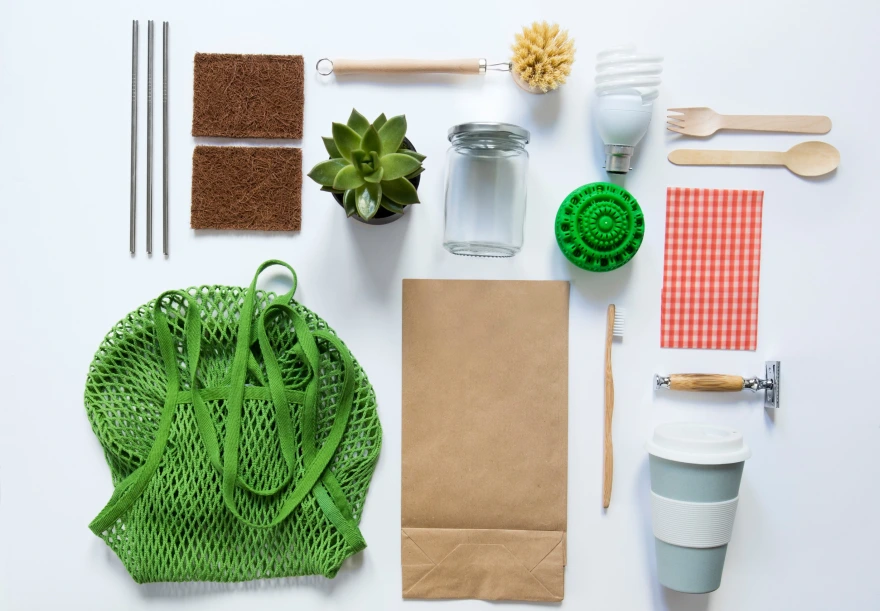
For example, turning off the faucet during the soaping phase of household utensils instead of letting the water run unchecked is a first step in the right direction. The same applies to showering or washing vehicles: Wisely and in moderation. The environment abhors excesses and human frivolity, especially when it comes to energy. Replacing conventional lamps with others, LED technology and with a low electricity consumption index, stopping the habit of unnecessary lighting, choosing devices based on their energy footprint, are moves in the right direction.
Also, in the context of a lifestyle harmonized with sustainability, the consumption of meat is contraindicated. And this is true, not only for health reasons, but also because animal husbandry is the leading burden factor for the environment. Pollutants emitted, on a global scale, from livestock farms, meat processing industries, etc. far outnumber any other field of human activity.
However, the debate about the urgent need to change the mode of transport is not at all unfounded. Every route that is replaced by walking, cycling or using public transport is also an extra breath for the environment.
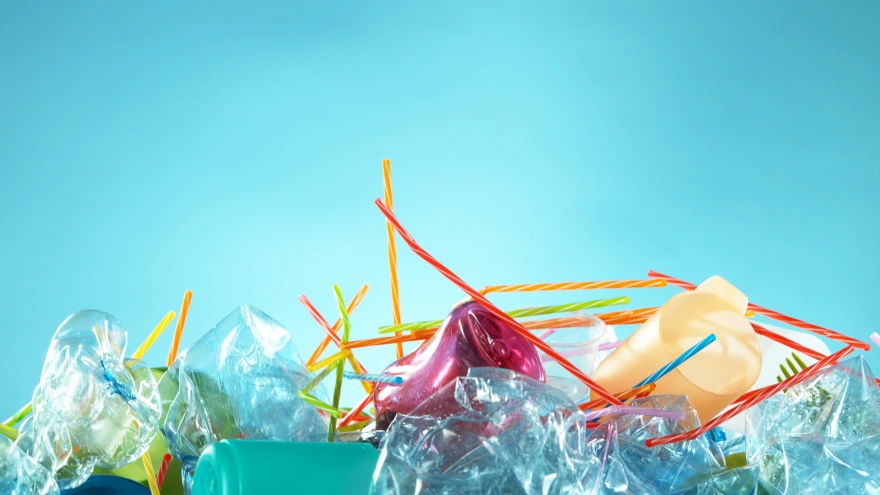
The same also applies to the use of plastics: Bags and disposable packaging, straws, bottles, etc. even when they end up in recycling bins they remain, at least partially, part of the problem. Its solution is the adoption of plastic-free practices, across the spectrum of daily activities, from shopping to individual hydration: The motto is “reusable utensils and items everywhere”. In the same logic, little thought is required to understand how unnecessary paper copies, printing documents, tickets, etc. are, today more than ever. Paper is produced from natural materials, which in turn are lost to the environment, creating, as a rule, deficits and imbalances in the natural ecosystem that are never restored.
Finally, while the sustainable lifestyle can also be perceived as a “fashion” of modern times, it is good to take into account that the fashion itself, both women’s and men’s, can be adapted to the sustainable concept. Clothes can and should be recycled, with minor alterations getting a second and third chance at regeneration. Even as an exercise in creativity.