
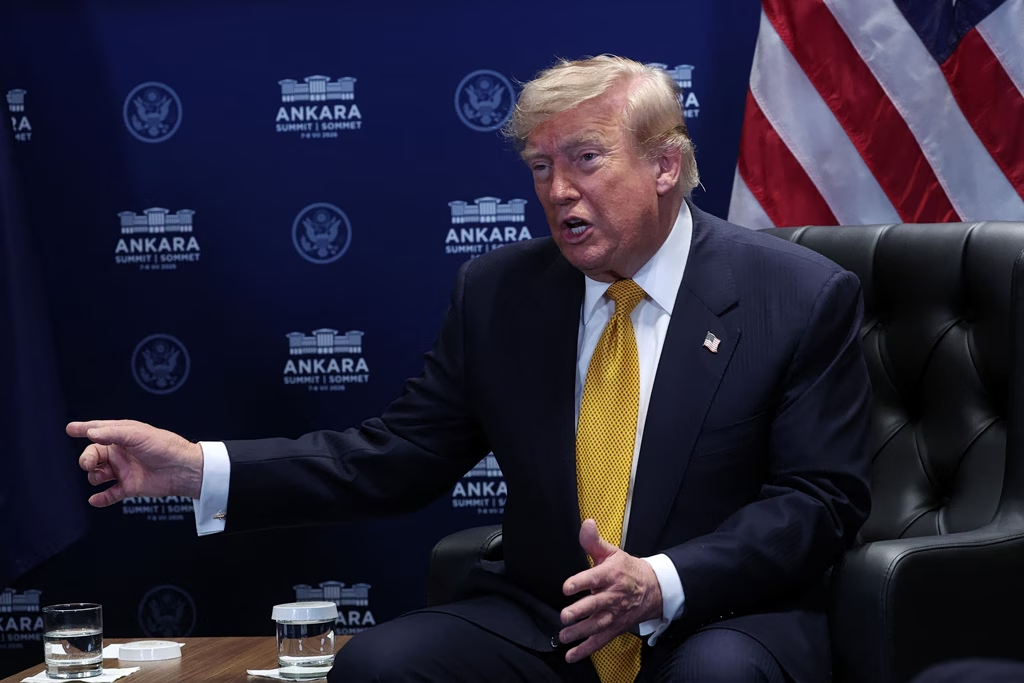

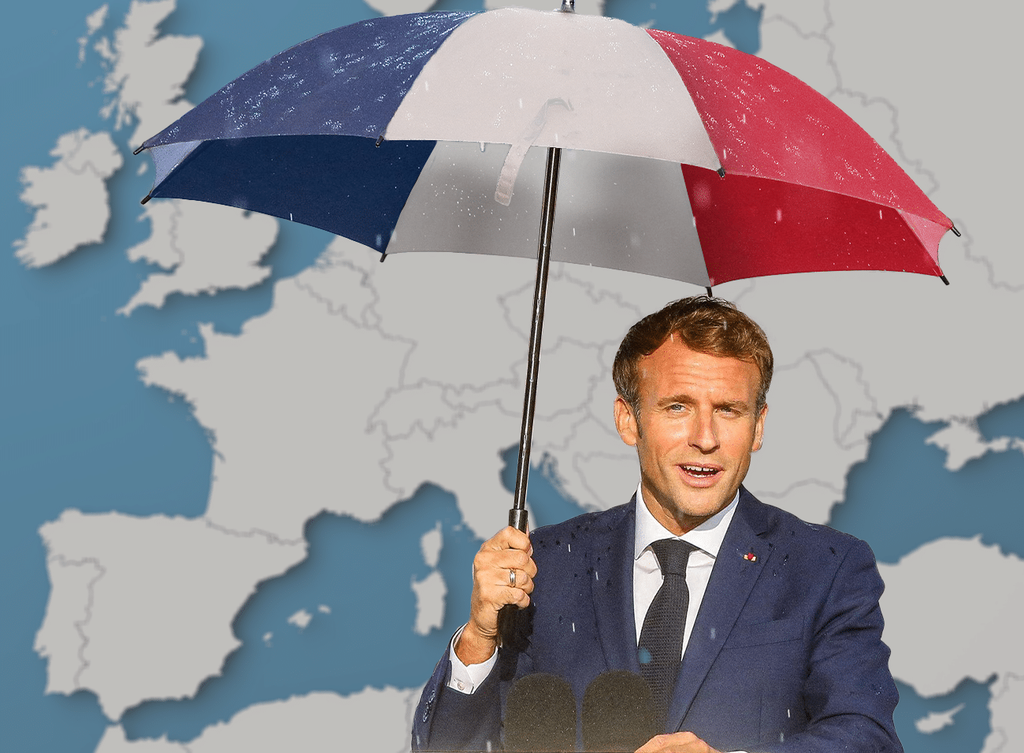

Erdogan’s predominance proves in hindsight, that the assessment that he would never do them if he were to lose them, was reasonable. And his indisputable omnipotence promises us that any changes in his policy will be of a regular nature. This concerns Turkey-West relations.
Turkey’s relations with the West constitute the geostrategic canvas, within which Greek-Turkish problems unfold. Turkey reacts to any attempt to limit its independence from East or West. Consequently, any changes we see in Turkish politics will be tailored to the situation. They will aim to deal with problems, primarily financial, but without any question of changing their attitude. The international economic system is largely controlled by the West. This, possibly, will lead the Turkish foreign policy to regular adjustments, in order to achieve its goals.
Erdoğan is betting that the refutation of expectations for his removal will sooner or later lead to an adjustment in the policy of the West, which does not want to lose Turkey at all. Having been somewhat buoyed by Arab capital from the Gulf, it hopes to take it to the next level. A possible tough US stance would risk handing the upper hand to Moscow and Beijing. Exactly what Erdogan is after…
At the opposite end of this geopolitical concept is Greece. A country that does not seem to claim the right to maintain a level of relations beyond alliance obligations, with the countries that are in conflict with the US to define the new international balances. This applies mainly to Russia, a step below it applies to China and even further down, at the limit of the acceptable, with very economically powerful Arab countries such as the United Arab Emirates and Saudi Arabia.
Worst case scenarios… and priorities
The economic situation of the superpower does not lend itself to complacency. In combination with the state of social division, it could lead to the prevalence of forces leaning towards isolationism.
This is the first one that should be taken seriously. Athens should be concerned to ensure that alignment with Washington, beyond rhetorical support, does not expose it to serious risks in its relations with Turkey. Athens seems not to have answered the question: “What constitutes a priority for the US?” Greek-American relations, or preventing the final loss of Turkey to the Western camp?”
An example of a very likely scenario. Suppose Turkey approves Sweden’s joining NATO in exchange for the release of the most advanced version of the F-16 fighter jets. What affects Greek security the most? Possible non-joining of Sweden in NATO, or the upgrading of Turkey’s air power? The argument that strengthening the Turkish Air Force is in the interests of the Atlantic Alliance is patently ridiculous. If it happens, it will once again be in exchange for the purpose of not losing Turkey. And let it not be argued that the allies do not know against whom this upgraded air power will be directed in priority.
The US and NATO priority is not Turkey, it is Russia. Although the generalized global unrest is perhaps at the most dangerous point of the transition period to a new “post-post-Cold War” equilibrium, everything points to the fact that it will eventually lead us to a new Cold War. It might be called “Cold War II”! But the name is not the point.
One of the certainties of this situation concerns Turkey. Under the leadership of Erdoğan, it is playing its pieces, considering that the facts of the next Cold War will be completely different from those of the first one, as the relative position of the protagonist countries on the world chessboard has changed. But because the protagonists themselves change, Erdogan never hid his bigotry. He wants Turkey with a distinct presence among the big players, who will not be able to bypass it in their calculations.
Such a Turkey would benefit the most, as the protagonists of the planetary game would engage in a barter auction to secure its favor. Erdogan envisions being in a position to judge the outcome of each conflict, as he adds to the scale of its critical size. This will catapult the geopolitical importance of Turkey and the “Turkish world”, both in the heart of Eurasia (heartland) and the “continental powers”, as well as in the periphery (rimland) which will judge the possibility of stopping the powerful countries of the first from the side of the “naval forces”. That’s the big picture. How many are involved?


