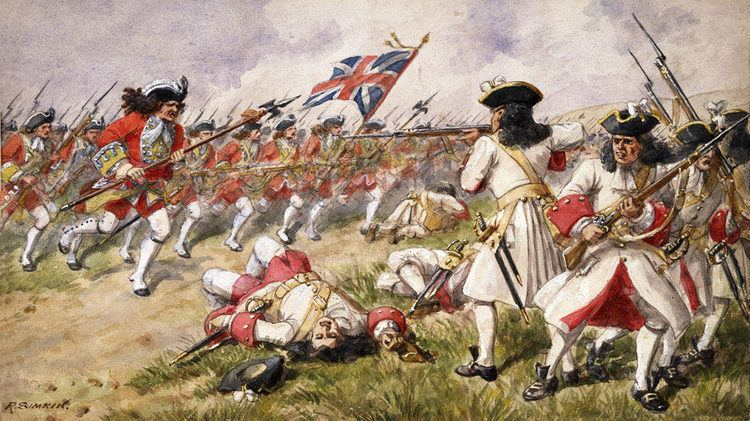
At the height of the War of the Spanish Succession, the Duke of Marlborough wins a major victory over Marshal Villerois in the Spanish Low Countries (present-day Belgium).
In 1700, the philistine king of Spain, Charles II, died intestate at the age of just 38, and with him the ancient Spanish branch of the Habsburgs. Immediately, the two greatest royal houses of Europe, the Habsburgs and the Bourbons, began to fight over the succession to the vacant throne of the Spanish Empire, whose possessions extended to various regions of Europe, including rich colonies in America and Africa.
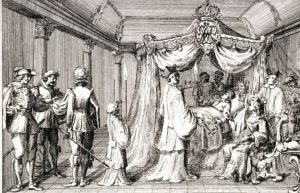
The death of King Charles (Carlos) II of Spain. A cripple since childhood, the result of generations of inbreeding, the infante who ascended the throne at the age of 4, died after years of tormented life. The House of Spain collapsed with him, plunging the entire European continent into war.
War was inevitable as old enmities and claims simmering between the kingdoms of Europe surfaced. The conflict was not limited to European territory, but through the colonies it reached almost the entire globe, in some cases distinguishing itself in separate “local” wars, in North and South America, in India, in Hungary and in the Baltic.
After several years of conflict, business had reached an impasse. The European powers were divided into two camps, with the French, Spanish and Bavarians on one side and the British, Dutch and Danes on the other. 1705 ended with mixed results: the Grand Alliance (of the British) captured Barcelona but the French won on the battlefields in Italy while the front in the Netherlands failed to produce tangible results.
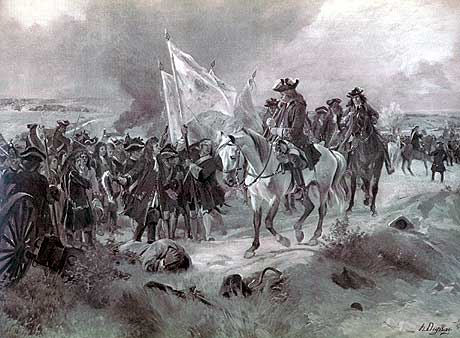
The French King Louis XIV needed a victory to cement the long-awaited peace, so in 1706 his armies were unleashed again. After a victory in Alsace and another in Lombardy, Louis encouraged Marshal Villerois to strike one more blow on the Low Countries front, so that he would finally sit at the negotiating table from a position of strength.
Villeroy’s 60,000 men moved with determination seeking battle but equally active was his opponent, the British Duke of Marlborough with 62,000 men.
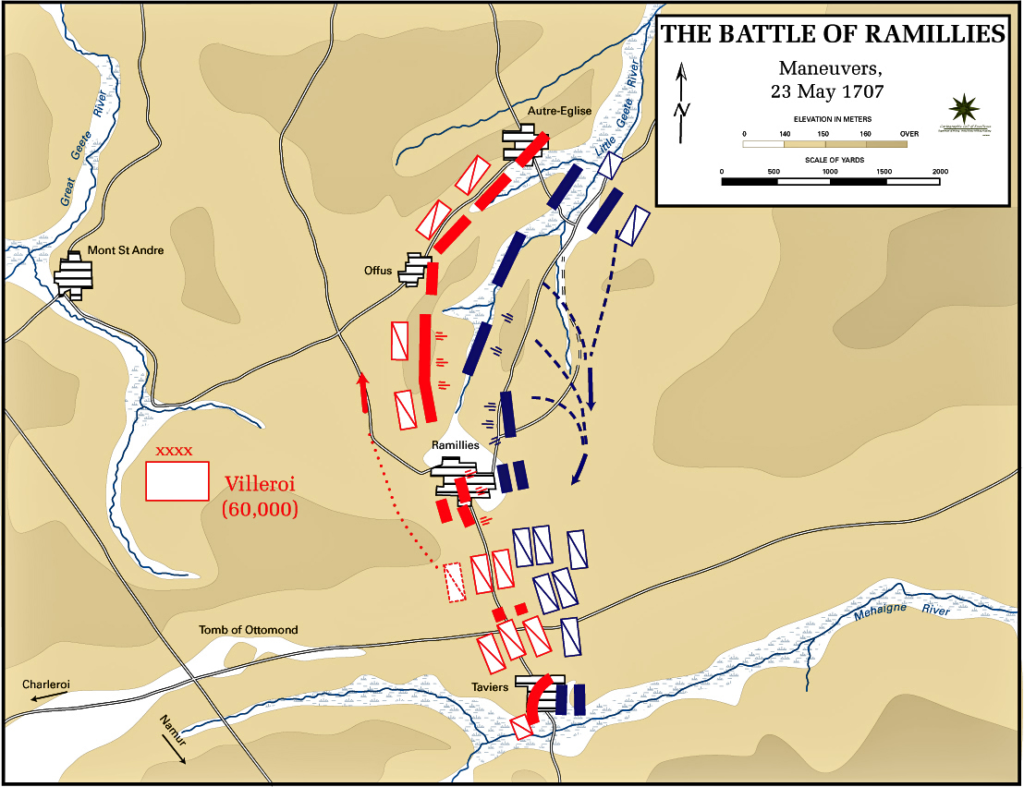
The two armies clashed near the village of Ramillies in present-day Belgium, with Marlborough setting in motion a series of maneuvers and local rallies, which the French were slow to grasp. Four hours later, the French “broke” and retreated. The French army was decimated, with 13,000 men killed or wounded in battle and many more scattered across the region. Marlborough pursued them and one by one the nearby cities fell into his hands: Brussels, Bruges, Antwerp, so he managed to expel the French from the Netherlands almost completely.
Thus France lost the battle, the province of the Netherlands, and the initiative of the movements in the war. Marshal Hector de Villar called it “the most shameful, humiliating and destructive in the history of all defeats”. Eugene of Savoy’s subsequent victory at Turin in September turned the tide definitively in favor of the Allies and inflicted a severe defeat on Louis.