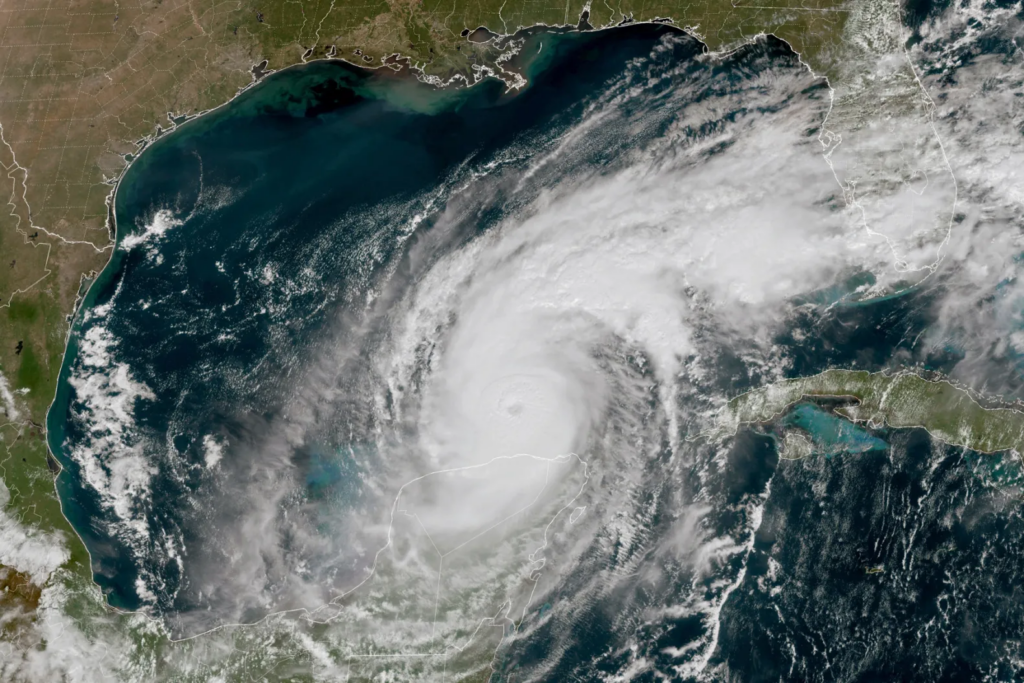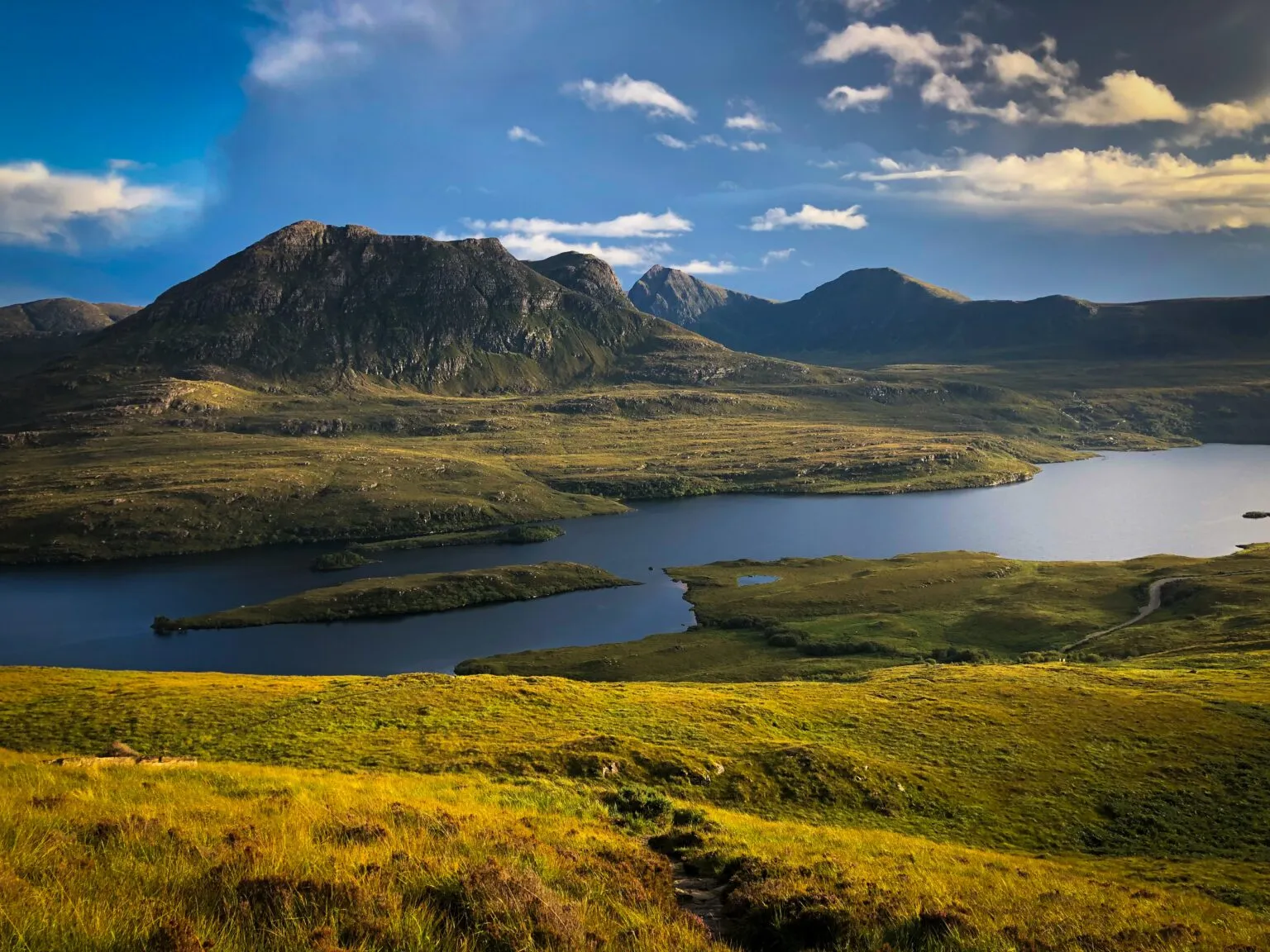
The celebration of world earth day a little while ago brought back to the fore the concepts of “green or sustainable or ethical tourism”, “ecotourism”, “responsible or sustainable travel”, all of which share the same basis and a common goal. They seek to promote the kind of tourism that has a reduced environmental footprint, to raise awareness among travelers about the negative effects of hypertourism on local communities, the environment and the climate, to inform about the choices and ultimately the changes we can all implement in the way where we travel
By understanding and preserving cultural peculiarities, strengthening local economies, traveling responsibly and with respect for the natural wealth and culture of each place, we only leave a positive impact and ultimately only benefit the planet as a whole. Whether this translates in practice as reducing carbon emissions, generating income for local communities, or protecting wildlife, “responsible travel” and “sustainable tourism” is not a fad or a marketing tool but a necessity. And fortunately eco-friendly destinations like the ones below are investing more and more in it, helping us to become more aware travelers.
1. Scotland
Scotland’s attention to environmental vigilance can also be seen in the fact that the government has set an ambitious target of zero carbon emissions by 2045. As far as the tourism industry is concerned, Visit Scotland, the first national body involved in the “Tourism Declares a Climate Emergency” movement, created the Green Tourism Certification, based on which conscious travelers can identify eco-friendly accommodations, restaurants and other tourism-related services. So, for example, visitors to the idyllic Dawyck Botanic Garden south of Edinburgh wander among Britain’s oldest and tallest trees, the country’s first zero-carbon garden, while learning about the importance of preserving the life cycle of plants, while in Perth, at the Burmieston Farm Hotel, green practices include the use of biomass, solar energy and recycled plastics and wool from local sheep for insulation.
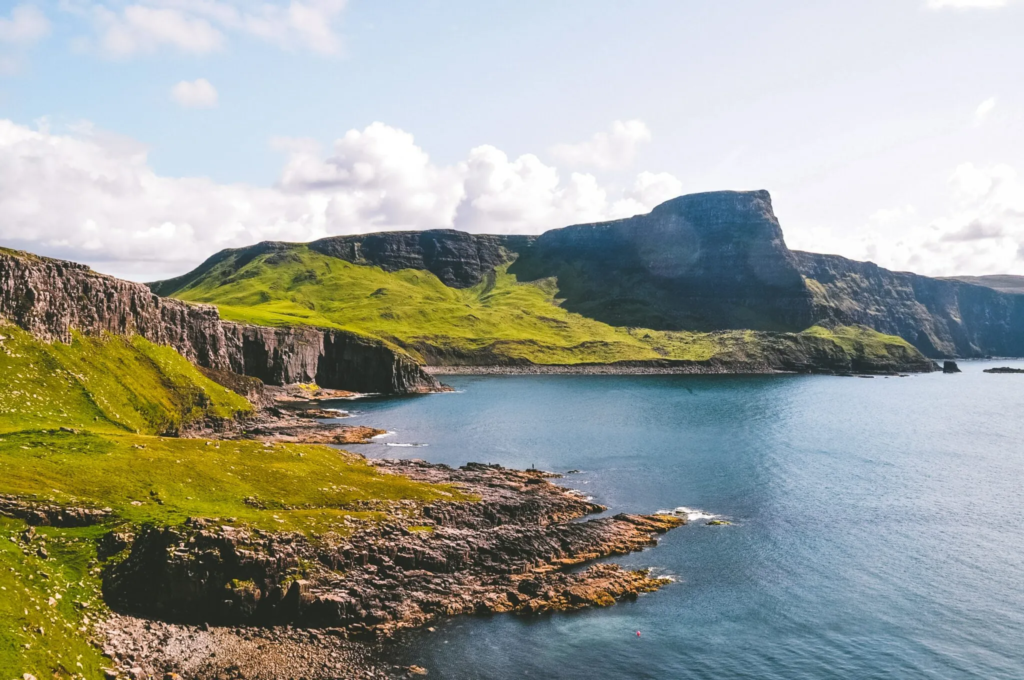
But where Scotland is making leaps and bounds is in the area of Rewilding, the restoration of large areas to their original, pristine form, while reintroducing wild animals and endangered species that used to live there. In order to recreate ecosystems and improve biodiversity, endemic species are being planted across Scotland, a move that also benefits carbon sequestration. What can the savvy traveler do? First find out about related actions at the Dundreggan Rewilding Center which is due to open this season in the middle of a lush pine forest west of Loch Ness, or take part in one of the voluntary actions of the charity Trees for Life, such as this one in the beautiful valley Glen Affric where 100,000 rare trees and plants are planted and protected each year.
2. Costa Rica
A country pulsating with unspoiled nature, or “pura vida” as the locals call it, is the beautiful Costa Rica, with the nearly half a million species of the animal and plant kingdom found in this lush Central American country, representing 5 % of global biodiversity and 3.5% of the planet’s marine life. With 30% of its territory being a protected national park zone and 93% of its electricity coming from renewable sources, Costa Rica is a pioneer and model of sustainability. Visitors who arrive in the country to explore the spectacular volcanoes, enchanting Pacific and Caribbean beaches, tropical forests and surreal jungle landscapes are impressed to discover the unspoiled nature and endless natural wealth of national parks such as Piedras Blancas, Tenorio Volacano, Cocos Island, Barra Honda, to name a few of the 30 in total.

In such an environment, encounters from tiny frogs to colorful toucans and lazy sloths to seductive quetzals are common, and all are protected by government, volunteer and local organizations. What can a traveler do in a country where 60% of its land is already covered by carbon-absorbing trees? Not only to admire and respect the breathtaking landscape and its rare ecosystem, but also to volunteer and sponsor programs like that of the CorcovadoHYPERLINK organization (corcovadofoundation.org), which among other things protects sea turtles and takes care of ecosystem restoration.
3. Milan
Cosmopolitan, culturally aware and innovative, the capital of the Italian north is not complacent and is proving to be an ecologically conscious destination. Beyond its innovative approach to fashion and the arts – whether it’s the stylish objects on display in the Armani Silos, or the much-talked-about L.O.V.E sculpture in the city’s financial center – Milan displays the same creativity in practices that turn it into environmentally friendly friendly destination. And we’re not just talking about the huge fashion industry that is increasingly turning in the direction of sustainability, but also actions such as “One tree for every resident”, aiming to plant 3 million trees in the city by 2030.

At the same time, “Green Corridors” will connect the forest areas of the wider area, facilitating and protecting the movement of the animal population that lives in them, but also providing the Milanese or visitors with the experience of a refreshing walk on these verdant avenues. Important measures are also being taken to reduce the use of cars by strengthening the city’s transport network, within this year in fact all public buses in Milan will become electric, resulting in more environmentally friendly travel. In fact, it is one of the most aware cities on the subject of climate change and one of the 54 worldwide that take care of keeping the average temperature rise below 1.5C°. Thus, Milan proves that in addition to style and impeccable appearance, it also places great importance on substance: sustainability and sustainable development.
4. Palau
The dreamlike cluster of 200 emerald islands in the western Pacific that make up the Republic of Palau may be famous for its rare tropical beauty, but to preserve it, it applies eco-friendly certificates and criteria with particular efficiency. The small island nation’s constitution reverently protects its ecosystem and does not hesitate to put these principles into practice, having already declared 80% of its waters a marine protected area since 2015, which makes Palau one of the largest ocean protected areas land.

Going even further, responsible tourism is also a priority, which in practice for travelers means that upon arrival in the country they sign the “Palau Pledge”, a promise to act with cultural and environmental sensitivity and awareness during their stay in the country. They are also informed and encouraged to use the olaupalau.com app, through which they collect points for demonstrating responsible behavior such as avoiding single-use plastics or using coral reef-friendly sunscreens. Points translate into experiences and access to locations normally off-limits to the public, such as parts of the archipelago.
5. Bhutan
Nestled on the eastern edge of the Himalayas, the Kingdom of Bhutan with its fascinating contrasts in nature – from frozen mountain peaks over 7,000 meters to lush green meadows and rivers to subtropical forests – is at the forefront of climate change action. It is a country not just with a neutral, but with a negative environmental footprint. This is due to a significant extent to its vast forests, which absorb a greater percentage of carbon dioxide than is emitted in the country, but also to the extensive production of electricity from hydroelectric sources.

Beyond CO2 reduction, Bhutan is also leading the way in responsible tourism development. For decades it has reduced the number of tourists it receives in order to prevent the ills of overtourism, an example that several cities in the western world should certainly study. But those who eventually travel to Bhutan are asked to pay a “Development Support Fee”, which funds actions to protect the country’s unique nature and culture and programs to empower local communities, such as free education.
Such an approach not only benefits the environment and citizens, but is also an advantage for travelers arriving here on a budget. Not only do they fully experience the authentic Bhutanese way of life, but along with breathtaking scenery, they enjoy elaborate temples, gilded Buddha statues perched on steep hills, and vast, forested national parks with few visitors around.
6. Namibia
Occupying a significant portion of South West Africa, Namibia is home to some of the most legendary and impressive animal species on the African continent, lions and elephants roam the country and somewhere in between you find the world’s only free-ranging population black rhinoceros. In addition to the national parks where one can see the wondrous species of Namibia up close, travelers who wish to give a more meaningful character to their trip and directly support local communities have another option.
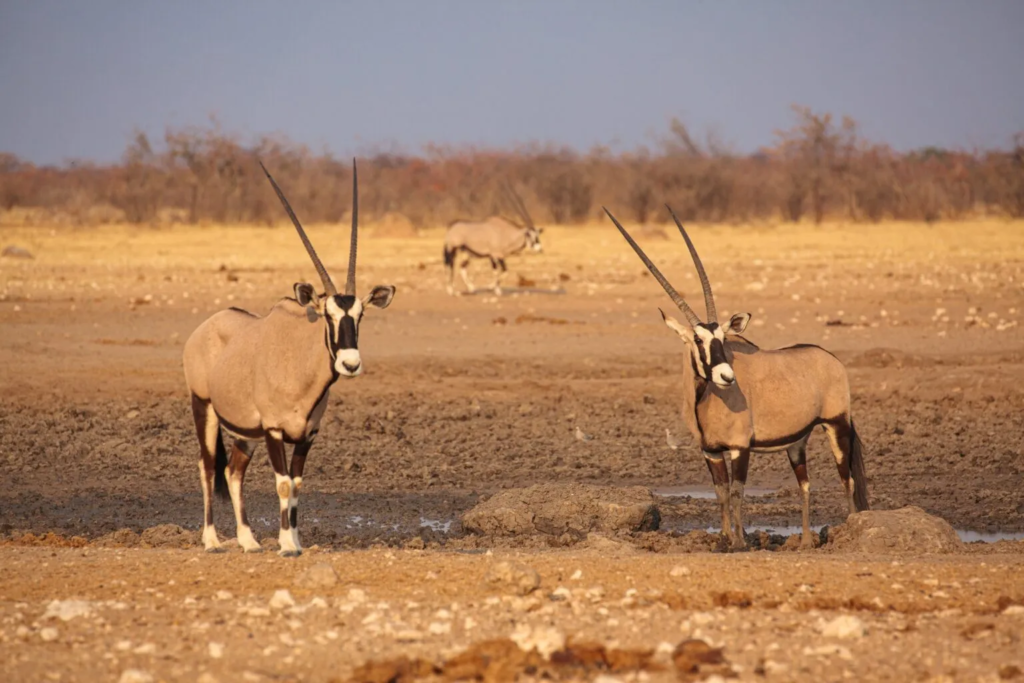
For 30 years, there has been an ever-increasing number of Community Environmental Agencies operating in Namibia. Portions of land and the corresponding resources – natural and financial – are controlled and managed directly by local communities, allowing their members to act as stewards of the natural environment, responsible for preserving the ecosystem.
Therefore, the money collected from a wildlife observation trip, which for most of us is a once-in-a-lifetime experience, will only bring significant benefits to the country: the revenue goes directly to the local population, supporting both environmental protection actions – such as the one by of poaching – as well as community programs – such as improving health benefits. But also for every traveler who decides to support one of these agencies, the benefits are also significant, since they have the opportunity to explore the less touristic parts of the country, to observe the habits of wild animals up close and above all to get to know first hand and experience the culture and heritage of the local population.