



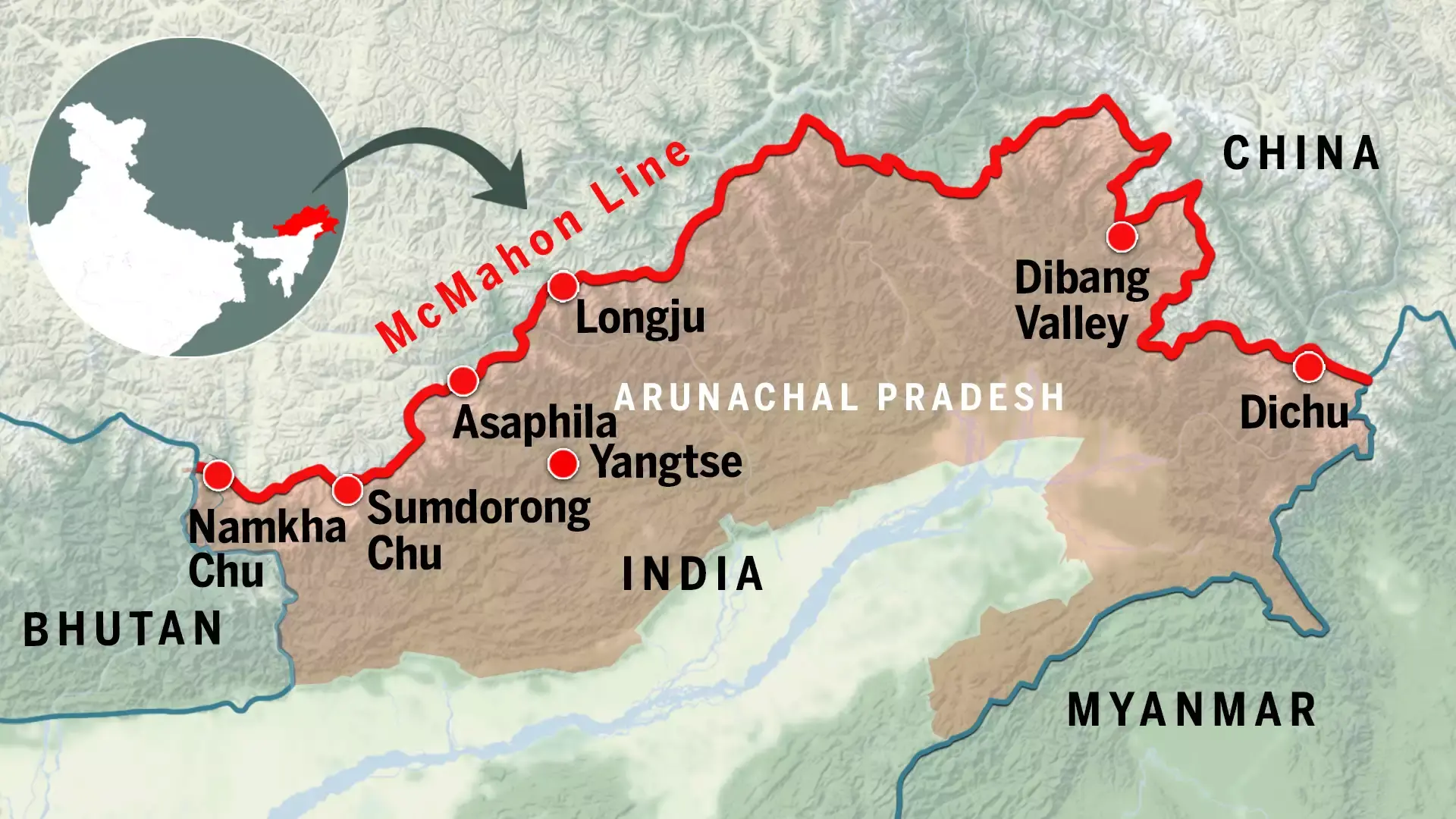
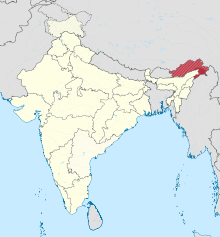
On 9 December 2022, the situation escalated along the Line of Actual Control (LAC) as Indian troops thwarted an attempt by the People’s Liberation Army of China (PLA) to unilaterally change the status quo in the Tawang sector of the Indian State of Arunachal Pradesh.
The Chinese had arrived with 300 military personnel at the LAC but did not expect the Indian troops to be better prepared. Despite the latter’s befitting response to Chinese troops, it is important for New Delhi not only to understand the motivation behind the PLA’s desperate moves but also to anticipate the adversary’s behavior in the near future.
China’s reasons
China noted that even the political opposition in India is urging the Center to use India’s G20 chairmanship to deter the Chinese.
1. Given the reduced global weight of China’s empty threats in recent years, as evidenced by the Pelosi-Taiwan episode, China is also desperate to remind the world of its superiority. Targeting India may have seemed like the easiest option given the likely perception of New Delhi’s current global position as “the lone gun”, particularly given its decision to walk a diplomatic tightrope in the Ukraine war, rather than blindly following through. the US-led West.
2. China’s President Xi Jinping is trying to leverage foreign policy as a means of boosting domestic public approval. With his government’s popularity on the wane of late due to the devastating zero-tolerance policy of COVID-19, warmongering will be a safe bet to distract and distract the public. Renewed tensions in the Taiwan Straits are intended to serve the same purpose.
India’s determination
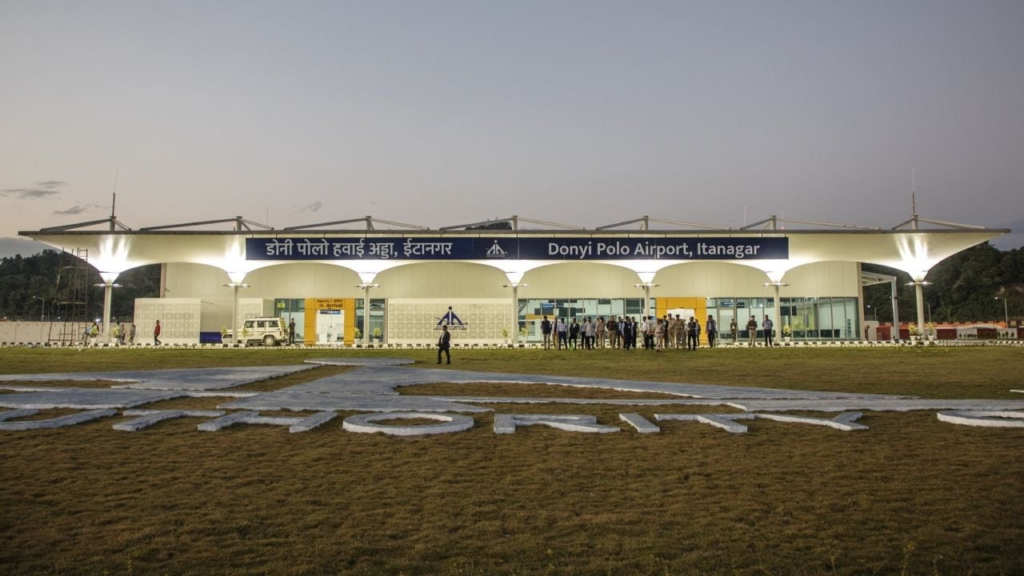
Clearly, Beijing’s intimidation has failed to dissuade New Delhi from pursuing infrastructure development—from building roads to setting up a Greenfield airport—in Arunachal Pradesh. In fact, India has accelerated infrastructure construction, with an emphasis on cross-border connectivity, the centerpiece of which is the Arunachal Border Expressway.
Additionally, the 13,700-foot Saddle Tunnel is slated for completion by July 2023, according to the Border Roads Agency, with work progressing apace. The project includes the widening of the existing road from Baisaki to a dual lane, as well as the construction of two tunnels bypassing Sela. Once completed, the Sella Tunnel will be the longest two-lane tunnel in the world.
Finally, the Indian Armed Forces decided on a major acquisition of indigenous Pralay surface-to-surface ballistic missiles shortly after the Tawang conflict, with the Ministry of Defense approving the purchase of 120 such missiles for deployment along the borders with China and Pakistan. These missiles can engage targets at ranges ranging from 150 km to 500 km, and are extremely difficult to intercept given their ability to change course after a certain distance in flight.
Urgent need of India
The two-lane Sella tunnel is seen by Beijing as a threat to its newly developed border villages in the Dongzhang sector. Consequently, the PLA is expected to conduct more maneuvers aimed at dismantling and even demolishing Indian infrastructure and logistics in the region. New Delhi would therefore be wise to prepare for more frequent and longer border standoffs, including clashes and skirmishes, particularly in the eastern sector.
The development of advanced airstrips (ALGs) is of particular importance, such as the Pasighat ALG, which has been touted as important not only militarily but also in terms of trade, jobs, tourism and economic opportunities. However, this potential will be realized only after the airport is upgraded and connectivity with the rest of the country is improved.
For these purposes, the government must rapidly enhance the provision of funds for the completion of the project. Likewise, the much-anticipated completion of the civil terminal building at Metzuka is critical, before ALG can begin Dornier 228 fixed-wing aircraft services. However, it must be emphasized that the quality of infrastructure should not be sacrificed on the altar of unrealistic project schedules.

