


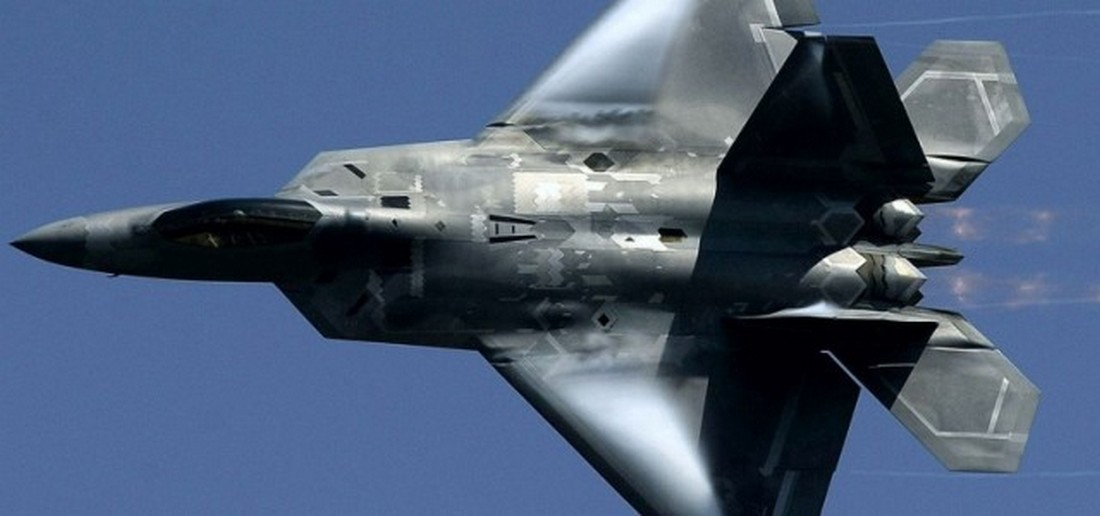
Modern stealth aircraft have the ability to avoid detection using a variety of technologies that reduce glare from radar, infrared, visible light, radio spectrum and sound emissions. But stealth technology is not an invisibility cloak, but a series of features that delay detection and tracking, providing a tactical advantage in aerial combat.
The low observable design features of a stealth aircraft include its shape and the placement of its engines, weapons and other equipment.
Shape matters
The shape of the aircraft is designed to deflect radar waves away from the radar receiver, reducing the amount of reflected energy and making the aircraft less visible to radar. The placement of engines and other equipment is also carefully considered to minimize their radar signature.
In addition to its shape, a stealth aircraft also incorporates radar absorbing materials (RAM) into its construction. These materials, which can be applied as coatings or incorporated into the aircraft structure, absorb radar energy and prevent it from being reflected back to the radar receiver.
The material also plays a role
RAM often takes the form of a type of coating applied to the surfaces of a stealth aircraft. It is designed to absorb radar energy and prevent it from being reflected back to the radar receiver, reducing the aircraft’s radar signature and making it less visible to radar.
The material typically consists of a mixture of conductive and non-conductive materials, such as carbon and iron oxide. When the radar waves hit the paint, conductive materials absorb the energy and turn it into heat, while non-conductive materials prevent the heat from dissipating.
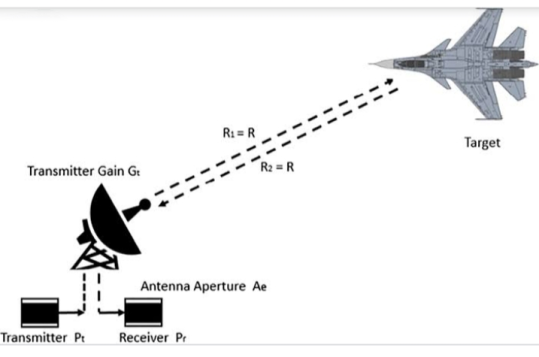
The effectiveness of the equipment depends on several factors, including the type and frequency of the radar used, the angle and intensity of the radar beam, and the distance between the radar receiver and the aircraft. In general, radar absorbing material is more effective against radars operating at frequencies between 1-18 GHz, as the majority of air and marine radars operate in the 1-18 GHz frequency bands.
Not invisible, just less visible on radar
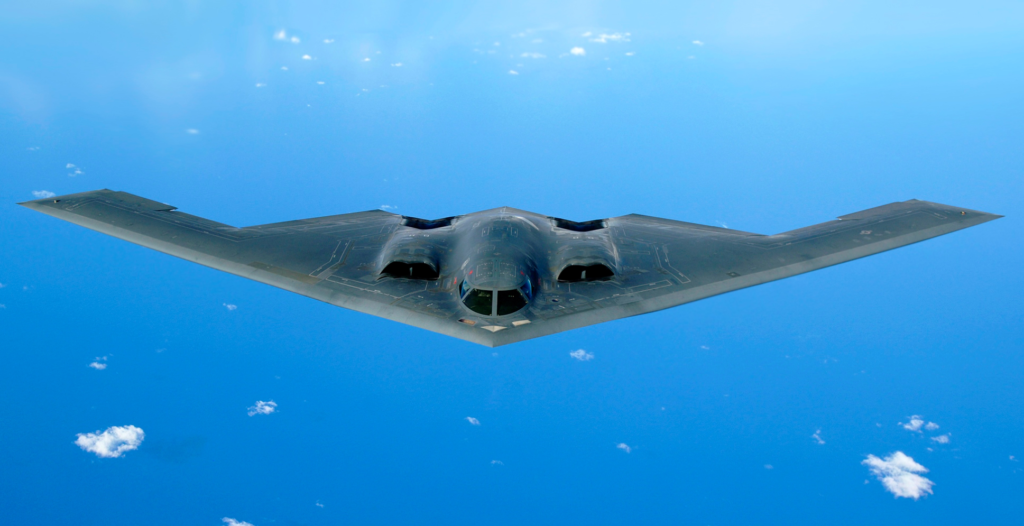
These design features and materials make it difficult for radar to detect stealth aircraft. However, it is important to note that stealth aircraft are not completely invisible to radar. Instead, they are designed to be significantly less visible than a non-stealth aircraft of the same size and shape.
If a stealth carries external fuel tanks – as is often the case in modern operations for a variety of reasons – it is no longer invisible. Also, any device placed on the ventral side of the aircraft, for whatever reason, will increase its cross-section and be more easily detectable on radar. Any tactical stealth aircraft with classic wings (such as the B-2A Spirit) such as tail fins, such as the F-22 Raptor, F-35, PAK-FA, J-20 or J -31, they are not completely invisible to enemy radars.
We note that the aircraft does not become completely “invisible” to radars, the famous RCS (Radar cross-section) is simply significantly reduced. And instead of showing an RCS from 1 to 5 approx. sq.m. the RCS even drops below 0.1 or 0.01 sq.m.
This means that it is still visible on radars, it will just be able to be detected at a much shorter distance. There is also a fine point to be mentioned here. A powerful radar can detect a fighter with RCS at a greater distance than a less powerful one. Thus very powerful military radars, such as AEGIS or TPY-2, continue to have limited RCS target detection capabilities like 5th generation fighters.
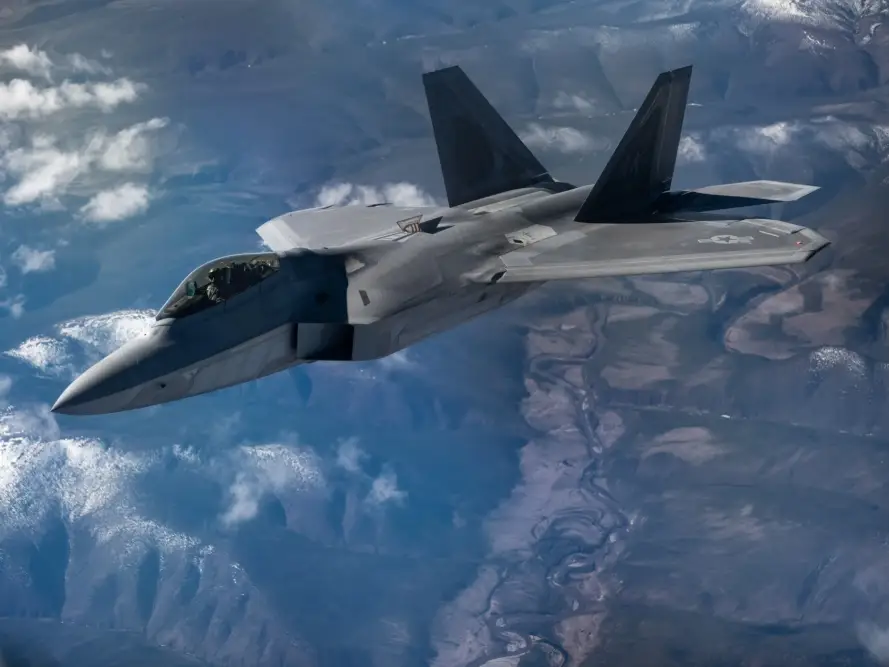
Coatings of radar-absorbing materials containing carbon particles or tiny iron spheres on all surfaces of the fighter can additionally help conceal the aircraft. They improve the situation, often significantly, but they do not change the rules of physics.
Overall, stealth aircraft are designed to avoid radar detection through a combination of low-profile design features, advanced radar-absorbing materials, and other technologies. Although they are not completely invisible, their reduced radar signature makes them difficult to detect and track, giving them a significant advantage in combat situations.
In general, aircraft design should aim to reduce radar and thermal detection. The design’s top priority must satisfy a list of conditions that ultimately determine the aircraft’s success. These include reducing thermal emission from the engine nozzle, reducing radar detection by changing the physical characteristics and general configuration, reducing radar detection when the aircraft opens its ammunition hatches, and reducing infrared radiation.