In addition, Russia has also acquired rights to build commercial ports that can be used as a forward base to meet the logistical needs of Russian naval vessels in the Mediterranean. Russia’s plans to install radar and missile systems in a Turkish city located about 280 miles from a critical NATO radar base as part of a deal to build a 4,500 MW nuclear power plant in Turkey have sparked an outcry and security concerns from the Turkish opposition.
“The installation of a radar system also means the creation of an air defense system. So you have given permission for the construction of a nuclear power plant, which we cannot protect? How and on what basis will the software for this system, which will be left exclusively to the Russians, distinguish between friend and foe?” asked opposition MP Zeki Hakan Sıdalı, during a debate in parliament on October 26.
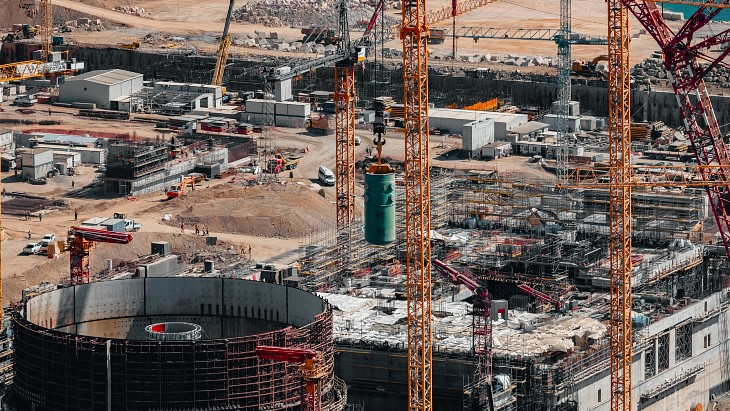
Sıdalı represents the province of Mersin, where Rosatom State Nuclear Energy Corporation is building Turkey’s first nuclear power plant in the city of Akkuyu, near Buyukeceli in the Gulnar district.
As the terms of the deal became clearer with the construction of the plant, it emerged that Russia would install a radar system near the plant and possibly deploy long-range missiles such as the S-400, under the guise of providing security for the nuclear facility.

There is no express reference, neither in the bilateral agreement nor in the regulations adopted in Turkey since 2010, to a license granted for such systems apart from the general provisions for the establishment of Central Alarm Systems (MAIs) for security in and around the station power generation.
The detailed regulations issued by Turkey’s Nuclear Regulatory Authority (Nükleer Düzenleme Kurumu, NDK) on August 8, 2020, on nuclear facility and material safety made no mention of radar or missile systems.
The issue has been hotly debated in the Turkish parliament and a legal challenge was filed in a Turkish court to stop the Russian-controlled Turkish company from proceeding with construction as planned.
“You bring an atomic bomb to Akkuyu (the town where the power plant is being built) and hand the button to Putin and the Kremlin,” said opposition lawmaker Serkan Topal.
Akkuyu is located on the eastern Mediterranean coast, not far from a sophisticated radar base in Malatya’s Kürecik district, part of NATO’s anti-missile defense system, which works with missile interceptors in Romania and Poland to counter a missile threat. What kind of radar and air defense systems the Russians intend to bring to Akkuyu, and whether they would jeopardize the security of Turkey and its NATO allies, is an open question.
Erdogan’s government has not released details on the construction of the plant, which is estimated to cost around $20-22 billion. The whole process lacks transparency and is shrouded in secrecy
The Russians appear to be making their own rules as they move forward with plans to build the power plant. Akkuyu NGS Nuclear Santral A.Ş, the company set up in Turkey by Russia to manage the plant and oversee construction, has sued its sole Turkish board member, Hasan Cüneyt Zapsu, in a Turkish court, alleging that the board “dominated” by Russia, left him in the dark and did not include him in the decision-making process.
Zapsu, a longtime Erdogan ally, said the radar installation could potentially pose a national security risk to Turkey and may not align with Turkish foreign policy. He told the board that the company should talk to the Turkish authorities before awarding a contract to a Russian company, but he was ignored and the Russians on the board just made a decision on June 6, 2021 and asked him to sign it, which it’s been happening for a while.
However, Zapsu did not resign from the board when rejected by the majority, and the lawsuit may simply be a tactical move to bolster Erdogan in talks with Russian President Putin to resolve outstanding issues with the project. It may also pave the way for a safe exit should Erdogan be ousted in next year’s election and to avoid accountability for irregularities in awarding the multibillion-dollar contract to the Russians.

In any case, the legal challenge and parliamentary debates have drawn a lot of attention to the Akkuyu project in recent months. According to opposition lawmaker Ali Mahir Başarır, the 10 million square meter (3.86 sq mi) land grant to Russia for the project looked suspicious because similar power plants in other countries operate on an average area of 1 million sq mi meters. “This suggests that Russia has some other plans for the land that the government is not disclosing,” he said.
More importantly, the Russians secured Erdogan’s commitment not to challenge the changes approved by the Akkuyu NGS board at a board meeting on March 12, 2019. The changes, which were not part of the original agreement approved by the Turkish parliament, paved the way for Russia to expand its footprint in the port of Mersin and its maritime facilities in the Mediterranean.
Under the original agreement, Akkuyu NGS has the right to construct, manage and use port facilities for the transportation, storage and loading and unloading of materials required for the power plant. However, with the new changes introduced by the board, Russia also gained rights to build commercial ports that can be used as a forward base to meet the logistical needs of Russian naval vessels in the Mediterranean. Erdogan reportedly pledged not to challenge these plans even though they were not approved by parliament.
To sweeten the deal, Putin reportedly promised Erdogan help in next year’s elections, which will test Erdogan’s 20-year rule amid growing economic hardship suffered by Turkish voters. During the talks, proposals ranging from Russian influence businesses to promote Erdogan during the election campaign to offering discounts on the price of energy Turkey buys from Russia were put on the table.
In any case, the fallout from the problems with Turkey’s first nuclear plant continues to fuel political debate in Turkey, and Russia’s deep involvement in the project may well have implications for security concerns among Turkey’s allies. in NATO.